Temperature control during flight
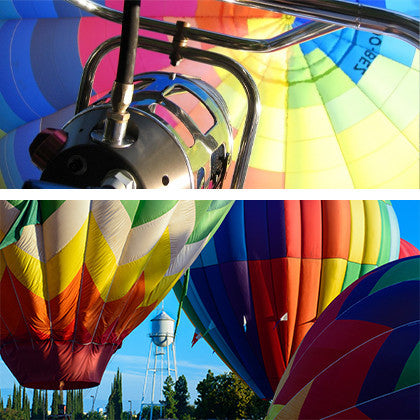
The envelopes of the latest-generation hot air balloons are made with various nylon fibres.
The nature of nylon, together with the possible weather parameters and speed, determines the operating temperature range in the maintenance and flight manuals:
- IDEAL FLIGHT TEMPERATURE: 120ºC
- MAXIMUM TEMPERATURE: 130ºC
To control the internal temperature, the balloon carries 2 devices that act as temperature indicators:
Flag: a temperature indicator is welded to a flag made of the same fibre as the balloon and placed at the highest part of the envelope. When the temperature exceeds 125ºC, the flag is released, warning the pilot of overheating.
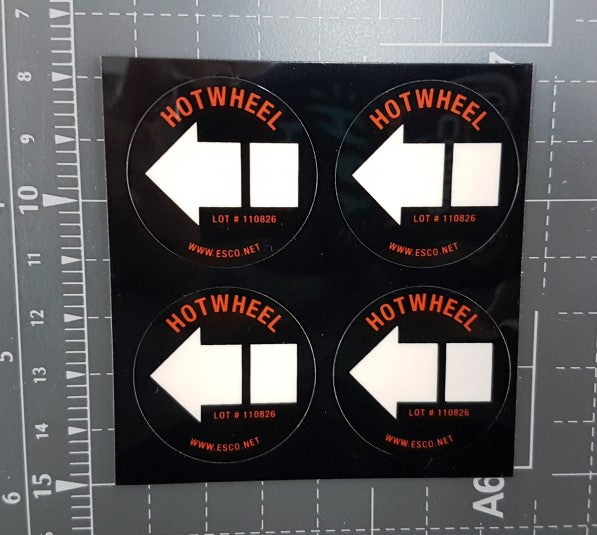
Temperature labels: the label makes it possible to know the history of the temperature increase that occurs during the flight. 2 labels of 8 points each are used, providing 16 possible readings. The labels record the temperature increase during the flight. If the balloon overheats, the label readings must be noted in the flight log to – if applicable – subject the balloon to examination afterwards. The manuals also detail how to act if the labels come off: if this happens it may also be an indication of overheating. In this case, you are required to try to lower the temperature immediately and proceed with the descent and landing manoeuvre.
The references used in this application are the THERMAX 8 Levels Range B (71-110ºC) and the THERMAX 8 Levels Range C (116-154ºC).
Once the flight is over, the labels are proof of the maximum temperature reached. In the event of an accident, the irreversible labels used during the flight can be taken as evidence and can help to demonstrate whether there was human error, manufacturing defect…
THERMAX irreversible labels have been used for this purpose for more than 10 years.