


Sector · 01
Automotive · machine tools
Tool clamping in machining centers — drills, milling cutters and spindles.
Five industrial application families where the disc spring provides a specific solution: safety actuators, machine tools, cable transport, bolted joints and boiler suspension.
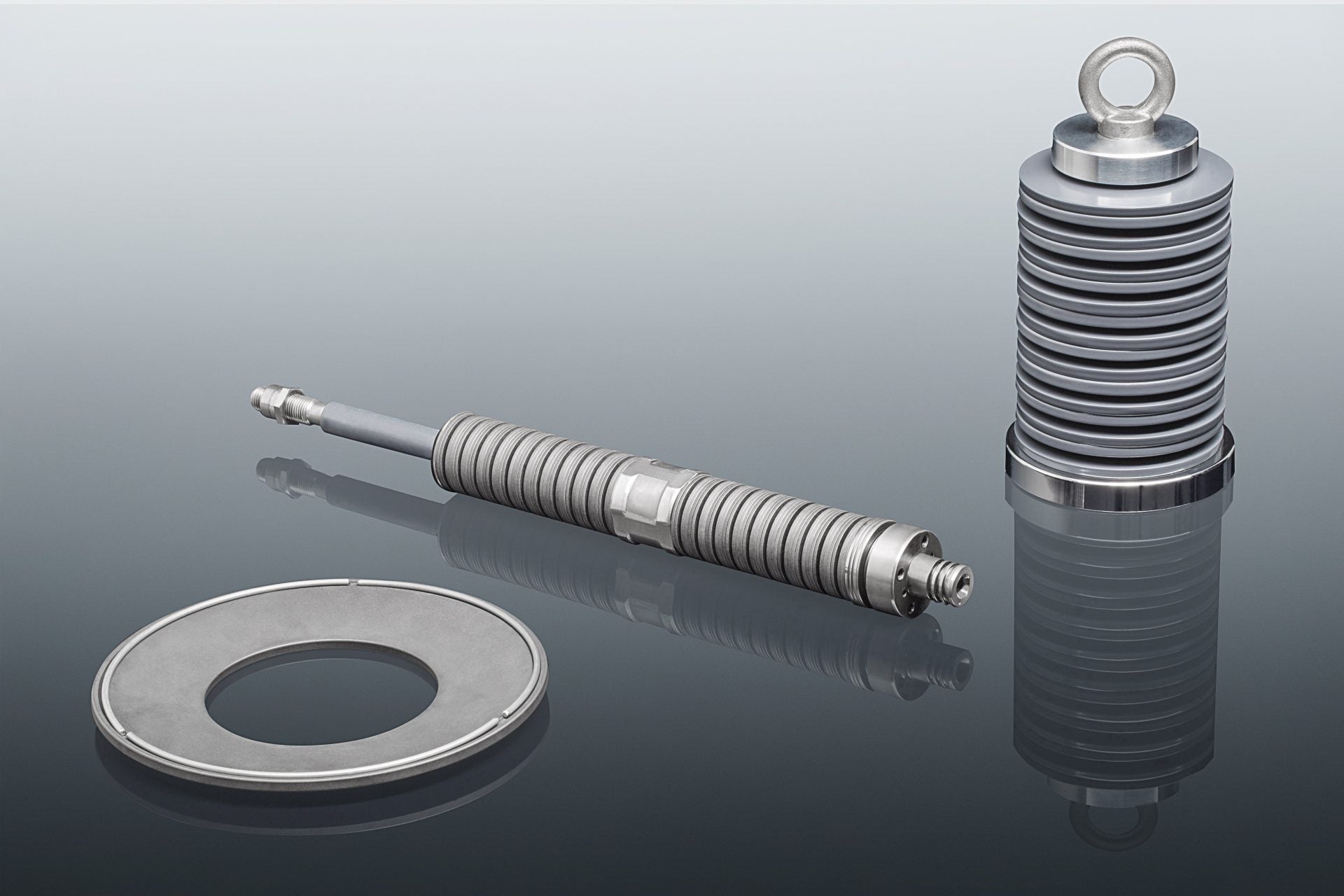
Disc springs and Belleville washers are found in industrial applications where reliability, compactness and load capacity are decisive.
Below are the most common sectors — each with the specific application detailed in the following sections of this datasheet.
Tool clamping in machining centers — drills, milling cutters and spindles.
Once-through boilers, incineration plants, power stations.
Safety valves, high-pressure flanges, bolted joints in piping.
Actuators and valves in systems with corrosive fluids. AISI 316 versions.
Guidance systems for cableways and funiculars.
Bolted joints subject to continuous vibration.
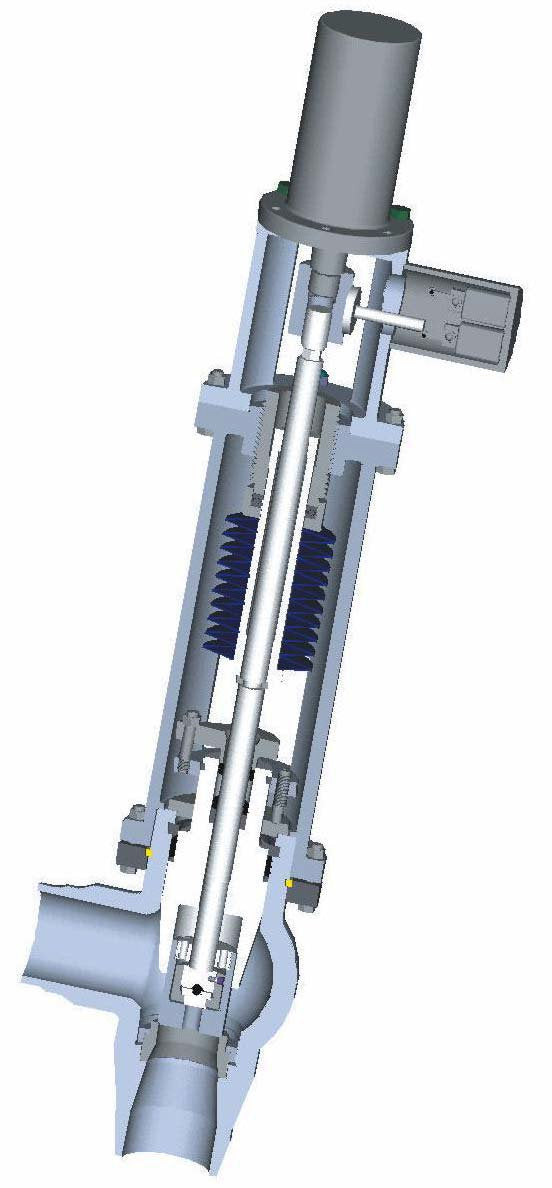
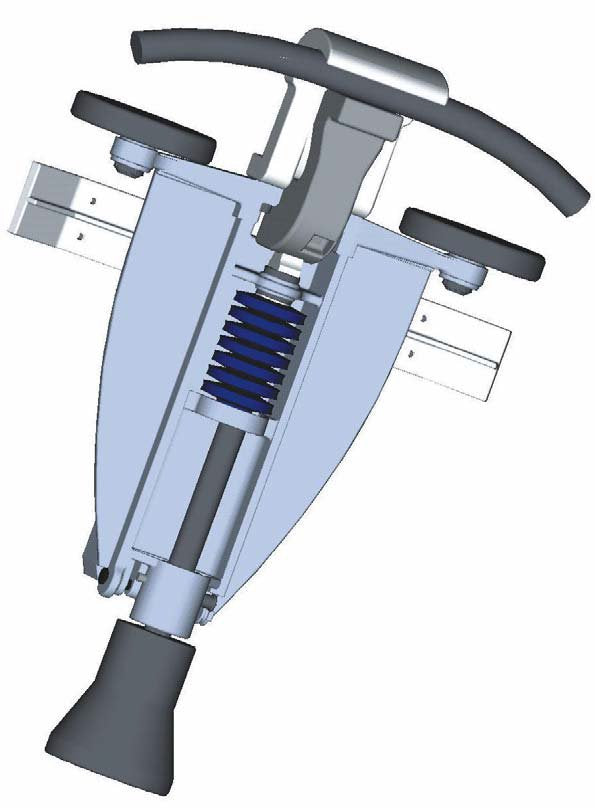
Disc springs are the passive safety element in quick-stop (fail-safe) actuators for valves. The stack stays compressed while the valve operates under normal conditions, thanks to the system's hydraulic pressure.
In the event of any failure — liquid or gas leak, loss of hydraulic pressure, electrical power outage — the pressure drops and the stack is released, closing the valve automatically. This safety mechanism relies on no electrical power or any other auxiliary system, which makes it especially robust against cascading failures.
At the same time, the stack performs a dual role: it maintains a constant axial pressure that absorbs the loss of bushing height over time, extending the valve's service life and reducing maintenance costs.
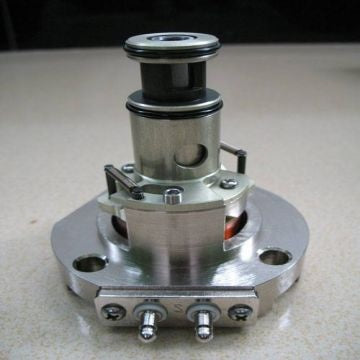
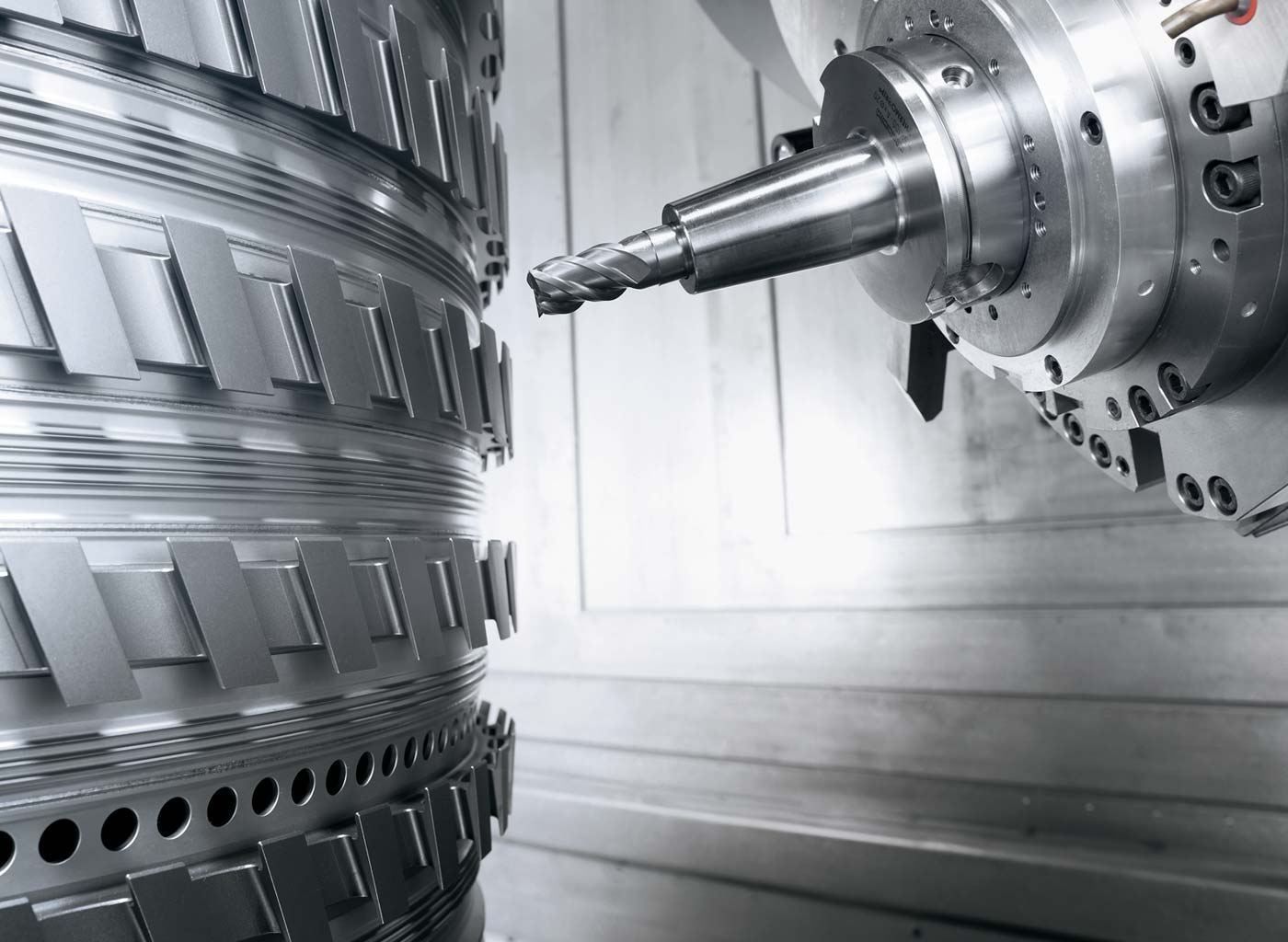
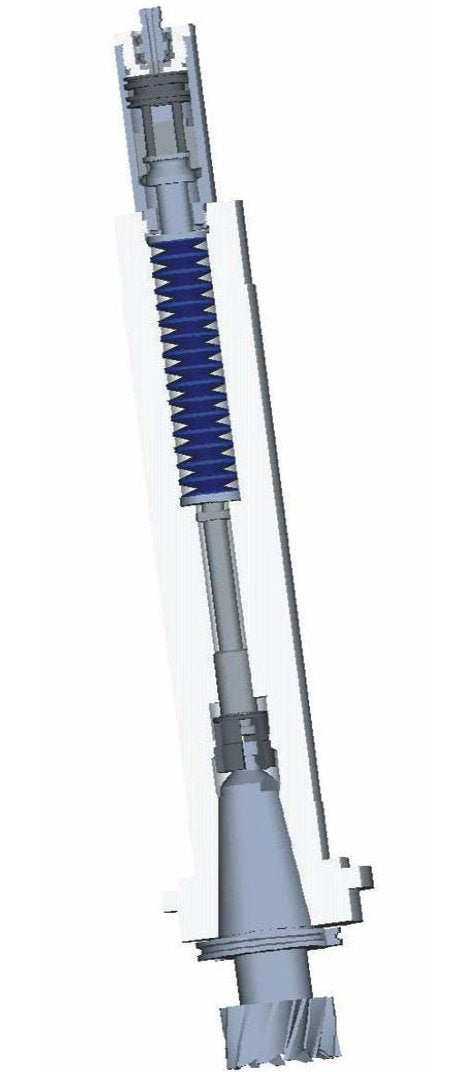
In CNC machining centers, the disc spring stack maintains the clamping pressure on the tool (drill, milling cutter, reamer) during operation, ensuring it is not accidentally released even under the vibration generated by the cutting process.
Tool change is carried out by a hydraulic cylinder that compresses the stack and opens the collet. When the hydraulic pressure is removed, the stack returns to its position and locks the new tool in the spindle.
The cycle can be repeated thousands of times with no loss of performance, which makes disc springs a benchmark solution for automatic tool-change systems.
Tell us about your use case and our engineering team will help you choose the optimal solution.
In cableway and funicular guidance systems, disc springs serve two functions: keeping the grip's hold on the cable constant and enabling coupling / decoupling at the station to ease passenger boarding and alighting.
Fixed (static) connection: the stack has a predefined length that provides a constant gripping force and compensates for the deformation the cable develops with use.
Coupling (dynamic) connection: the stack is designed to compress in a controlled way, allowing the cabin to slow down as it decouples from the cable at the station. The assembly's elasticity also compensates for irregularities in the cable along the line.

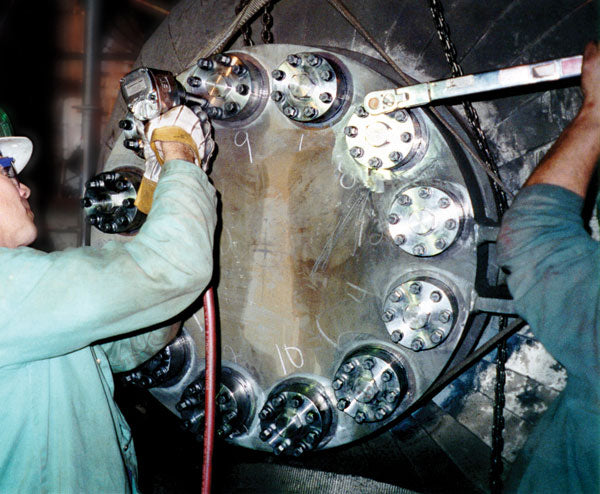
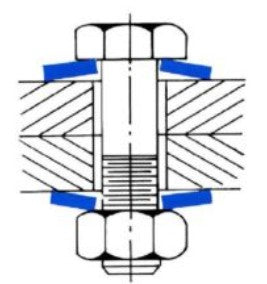
Vibration, thermal cycling and pressure variations tend to loosen the joints between bolts / studs and nuts over time. In railway, petrochemical or high-pressure applications, this loosening can compromise the safety of the system.
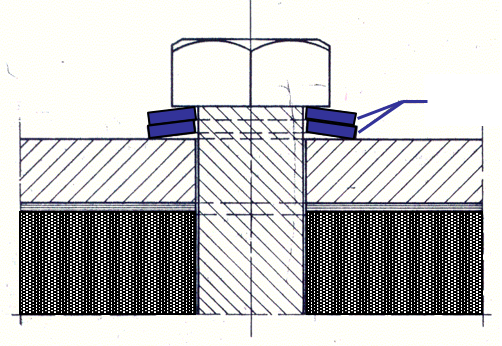
Belleville washers inserted into the bolted joint are fully compressed when the bolt is tightened and exert a constant axial force on the bolt head. Thanks to their elastic capacity, they compensate for the contraction and expansion caused by changes in temperature or pressure, maintaining the clamping tension throughout the life of the assembly.
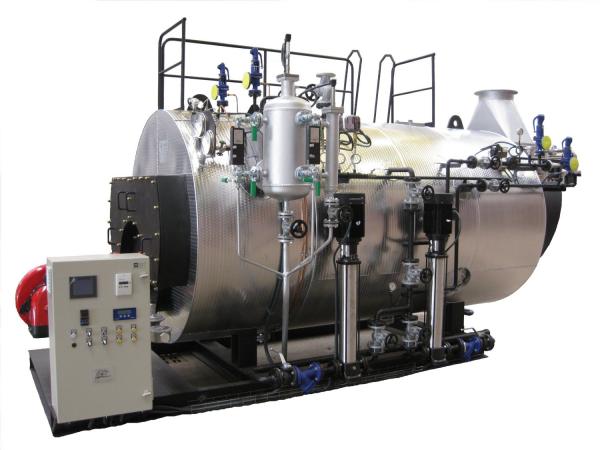
Once-through boilers operate at temperatures that generate significant thermal expansion in their metal structure. If this expansion is not absorbed, stresses build up that accelerate material fatigue and force frequent maintenance shutdowns.
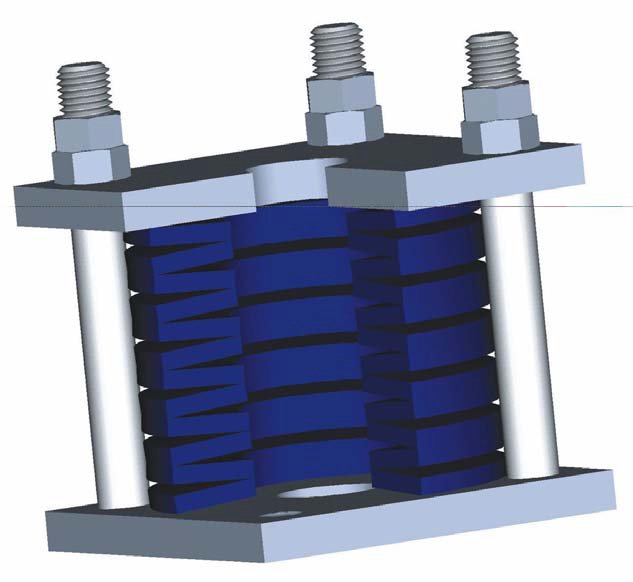
The disc spring stacks installed in the boiler's supports and suspension systems flex as needed to absorb these thermal movements, eliminating localized stresses and dramatically extending the service life of the structure.
Using high-temperature-resistant steels in the disc springs (available from Surisa for applications that require it) extends the life of the suspension system even further.
Tell us about your use case and our engineering team will help you choose the optimal solution.