


— CK60 steel (1.1221)
Carbon steel with 0.57–0.65 % C, equivalent to AISI 1060. It provides the hardness needed after induction hardening while keeping a tough core, which prevents brittleness under cyclic bending.
 Official distribution in Spain
The precision shafts that, together with the guide bush or the ball cage, align the two halves of a stamping die throughout the entire press stroke. Complete Steinel Normalien range to DIN 9825 / 9833 / ISO 9182.
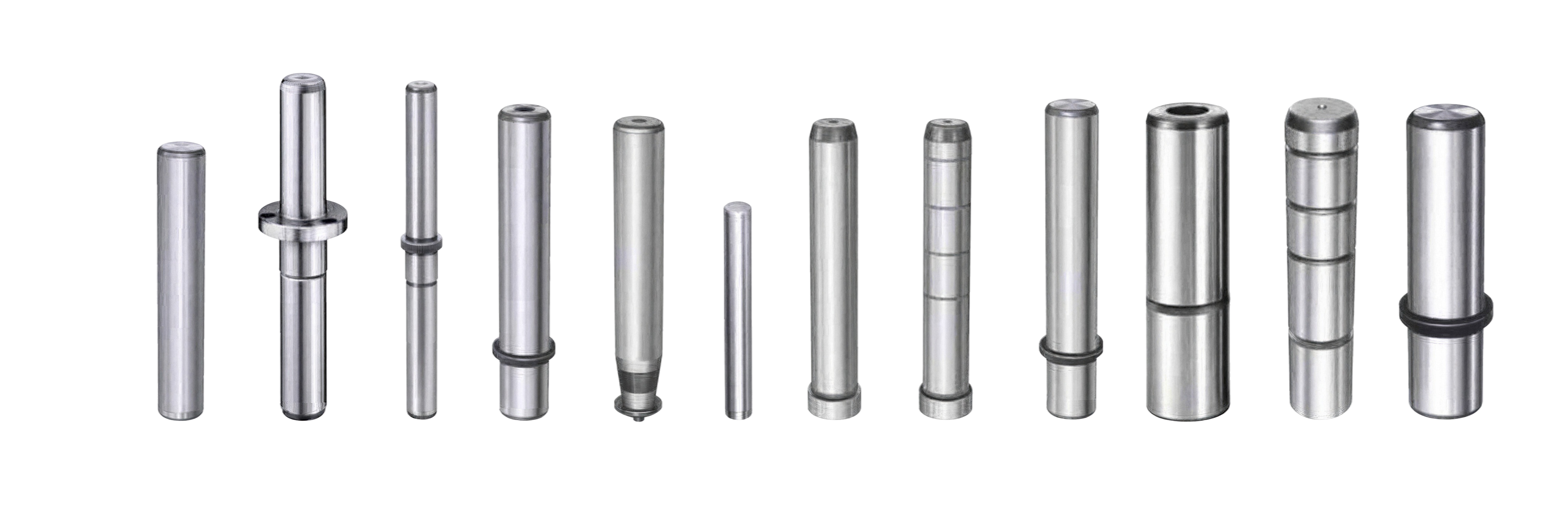
Guide pillars are the hardened, ground shafts on which the guide bush or the ball cage slides, ensuring alignment between the upper and lower die shoe throughout the entire press stroke.
In international technical terminology they are called guide pillars or guide posts for die sets. The Steinel Normalien range covers all the usual constructive geometries: plain, central shoulder, with shoulder, quick-change, with head, for large stamping dies and the mini series — from Ø 3 mm up to Ø 160 mm.
Every type in the catalog, organized by geometry into expandable blocks. Open a block to see its pillars: each card shows the photo and the dimension drawing, the exact catalog name, the applicable standard and the technical characteristics. The tables with all the size combinations are in the downloadable PDF catalog.
The foundation of the range. Guide diameter precision-ground and micro-finished to ISO h3, press-fit mounting in an ISO R6 bore. Compatible with sliding bushes and with ball and roller cages.
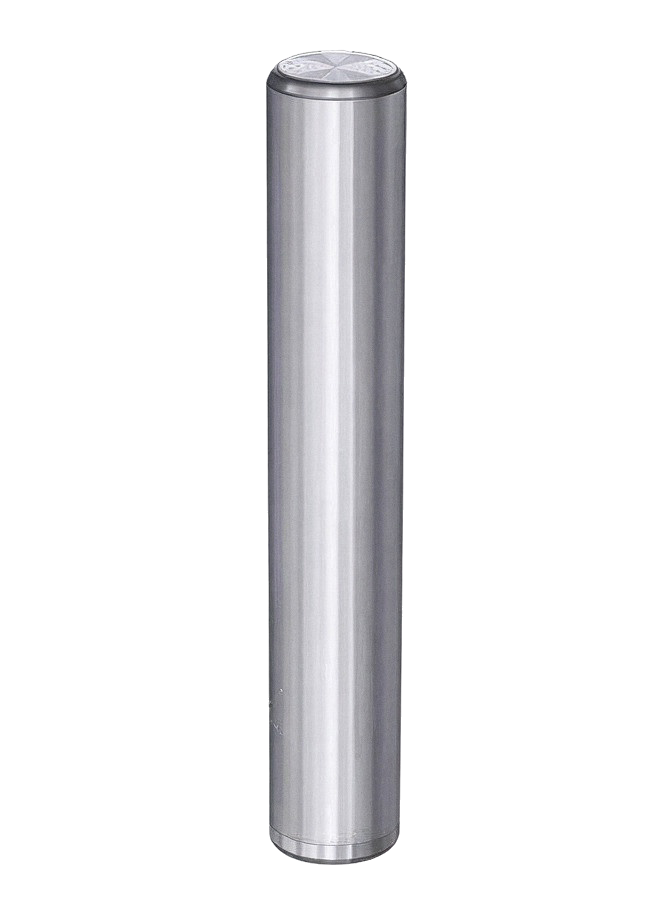
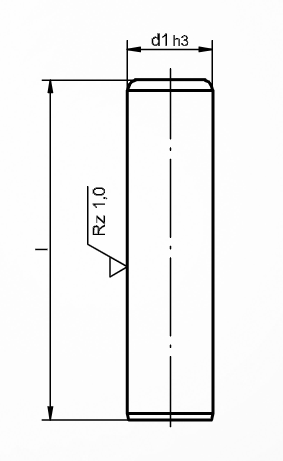
The most universal configuration: compatible with all guide bushes and all ball and roller cages in the range.
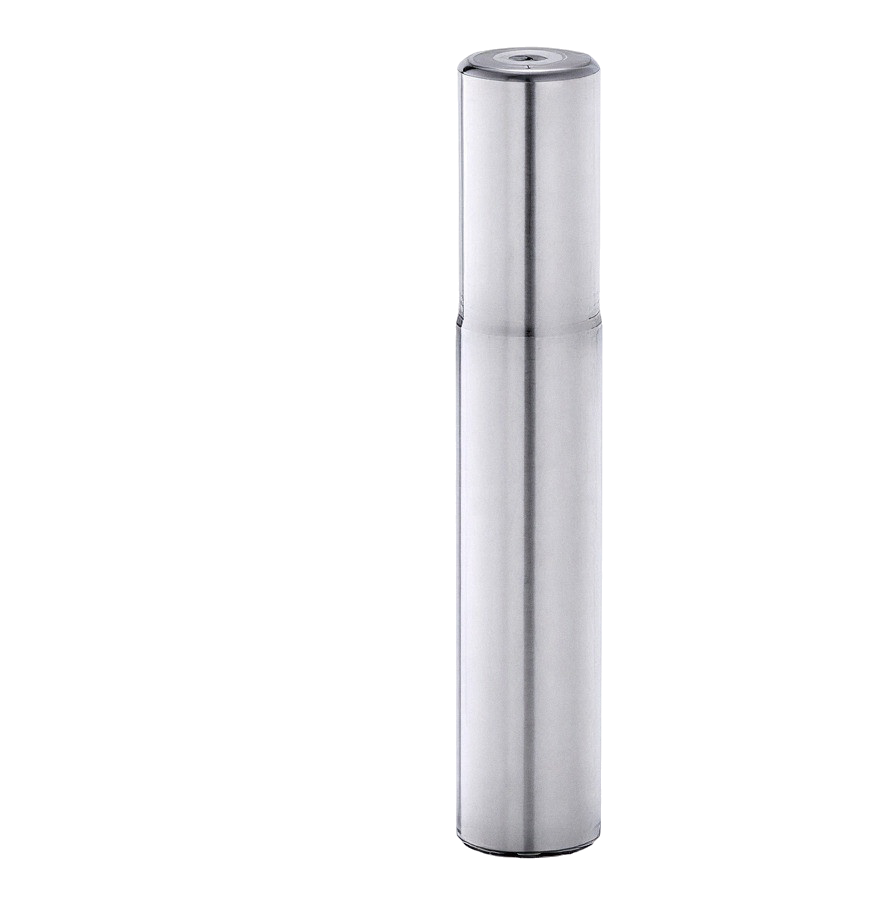
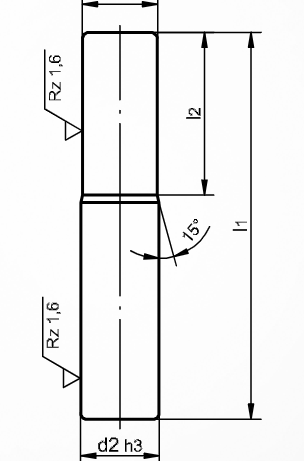
Stepped shaft with two guide diameters (d1 / d2) on a single body, for die sets with a change of section.
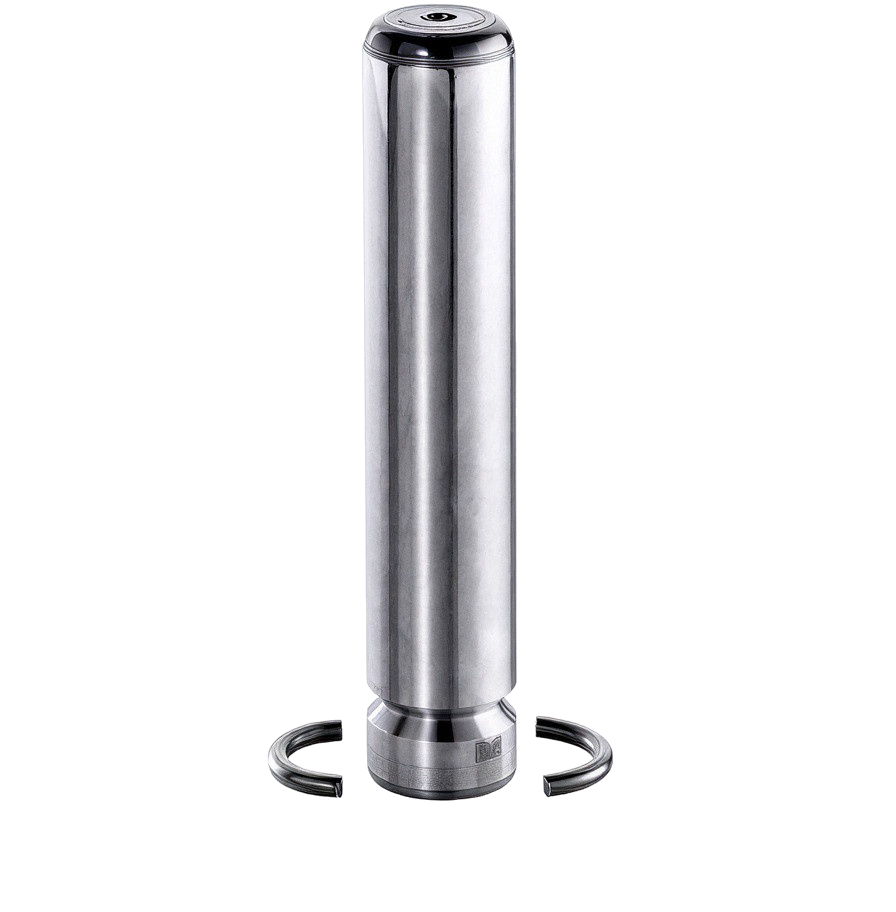
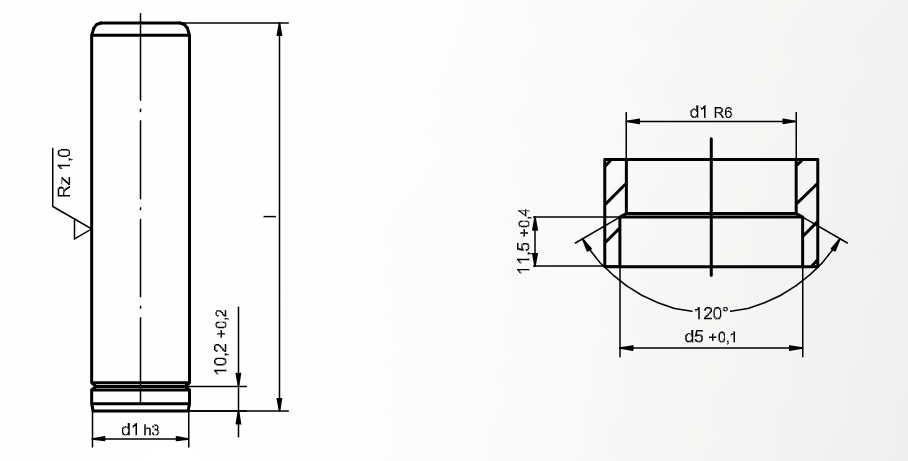
Machined groove and retaining ring (included in the scope of delivery) that retains the pillar axially against pull-out.
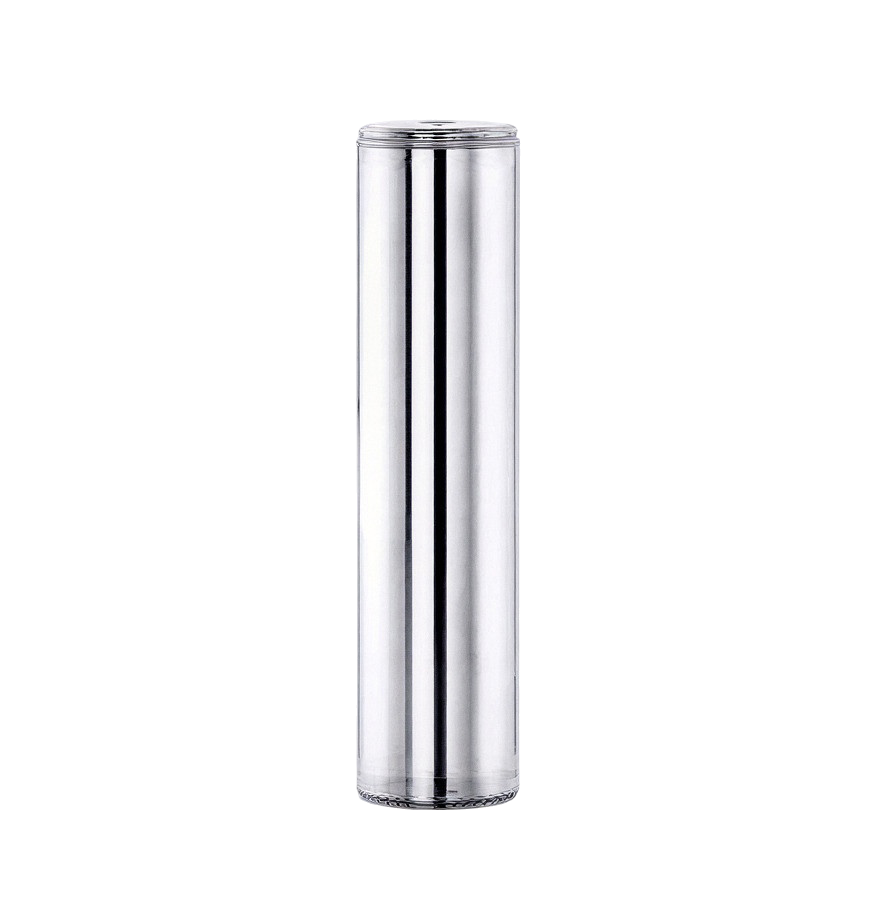
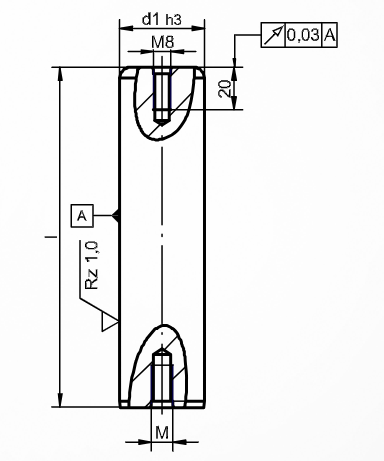
Internal thread at both ends: screw-assisted removal and the option of bolted fixing to the die shoe.
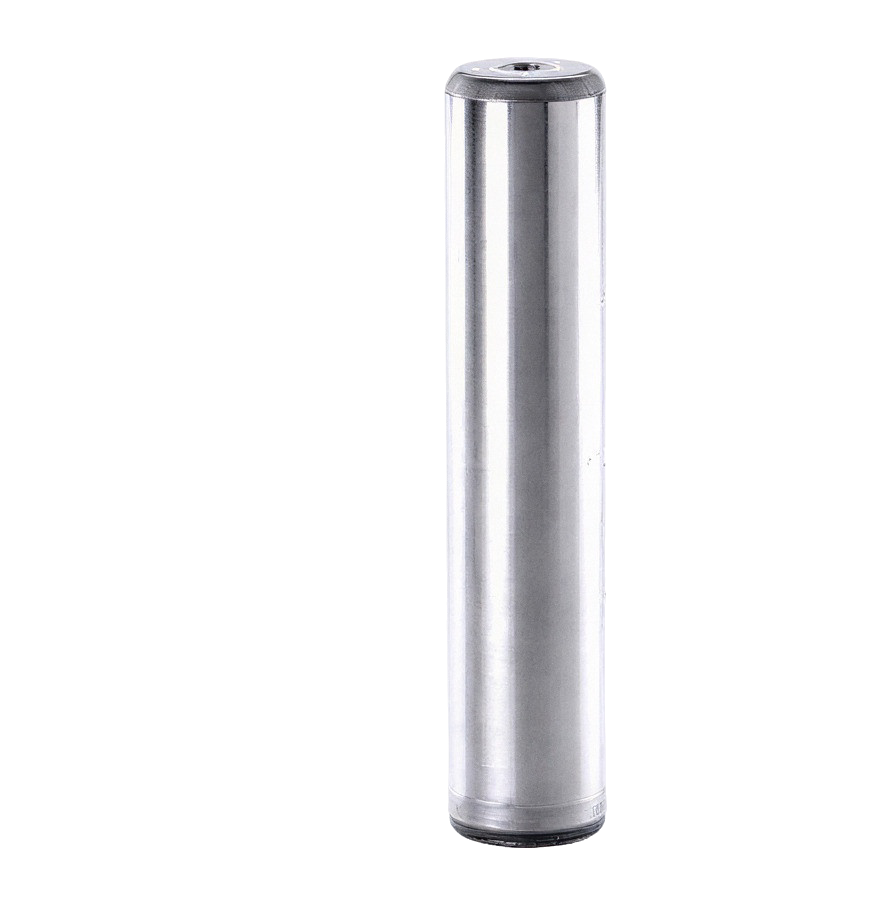
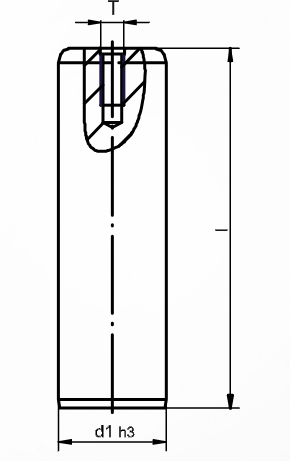
Imperial-size version with internal thread, for die sets standardized in inches.
A shoulder (flange) machined in the intermediate zone that is fixed to a guide plate. By halving the effective length between supports, deflection drops by 87.5 %. Shoulder fit diameter ISO js4, bore ISO H6.
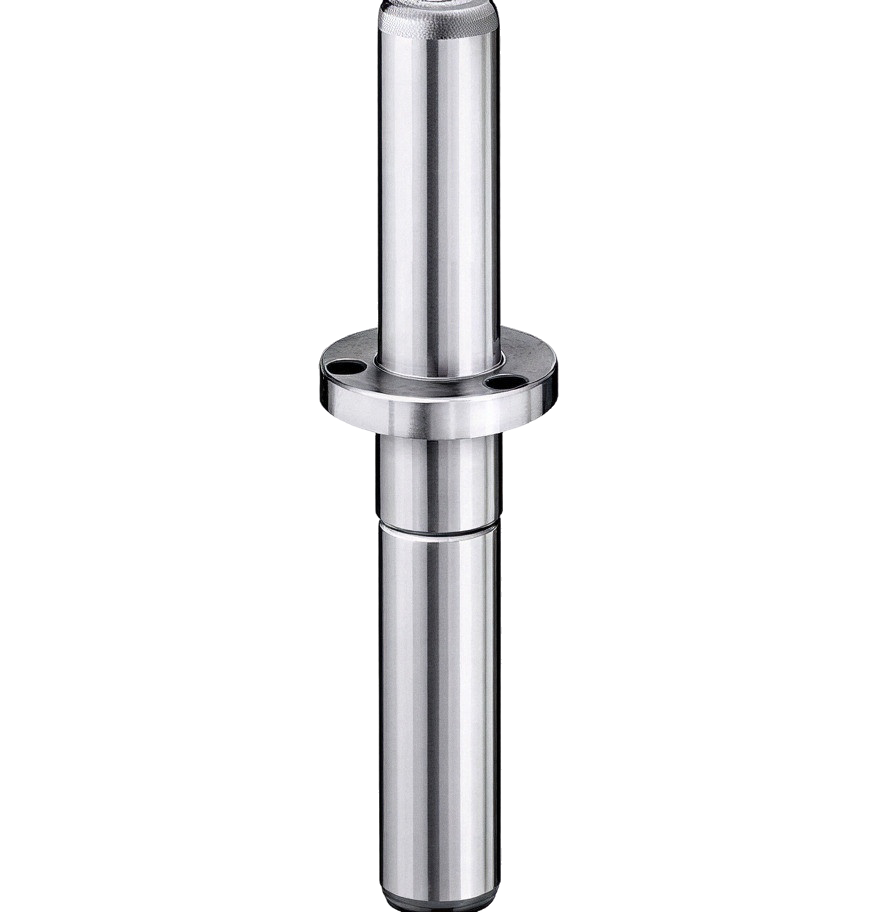
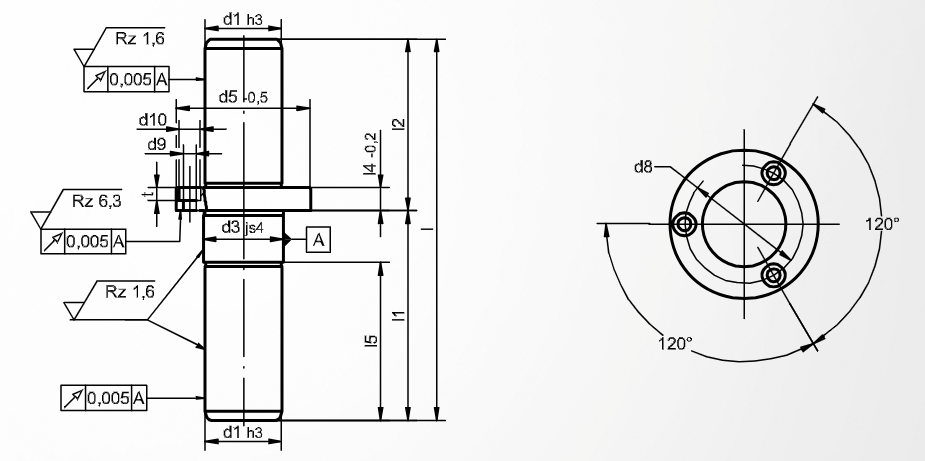
Intermediate support point for high lateral loads. Shoulder fit diameter ISO js4.
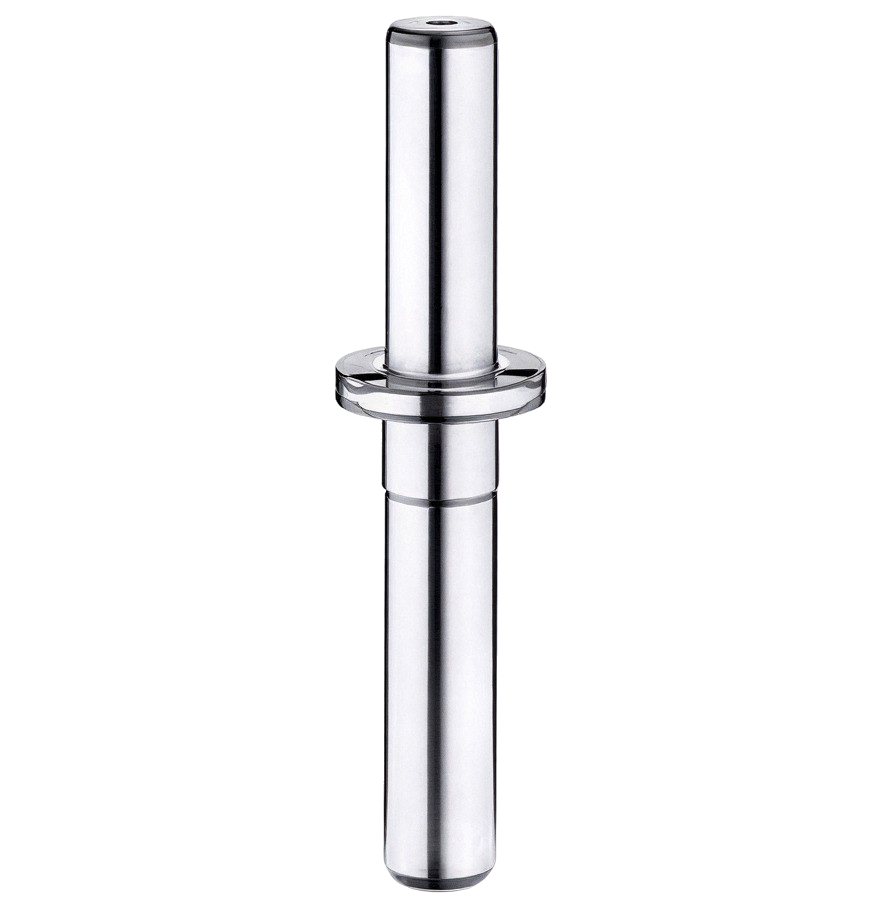
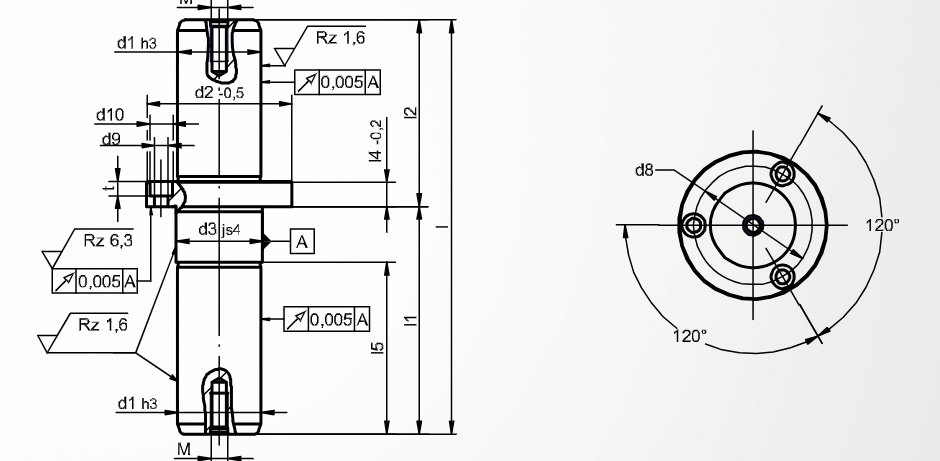
Like the ST7117, with internal thread at both ends for removal and bolted fixing.
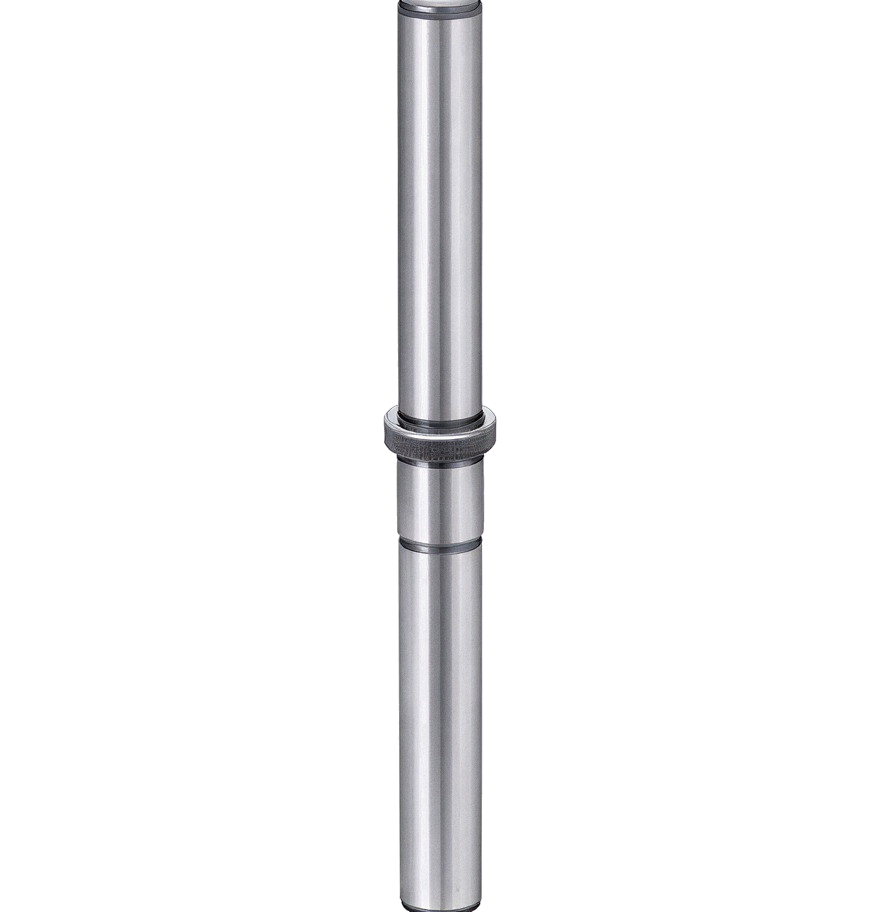
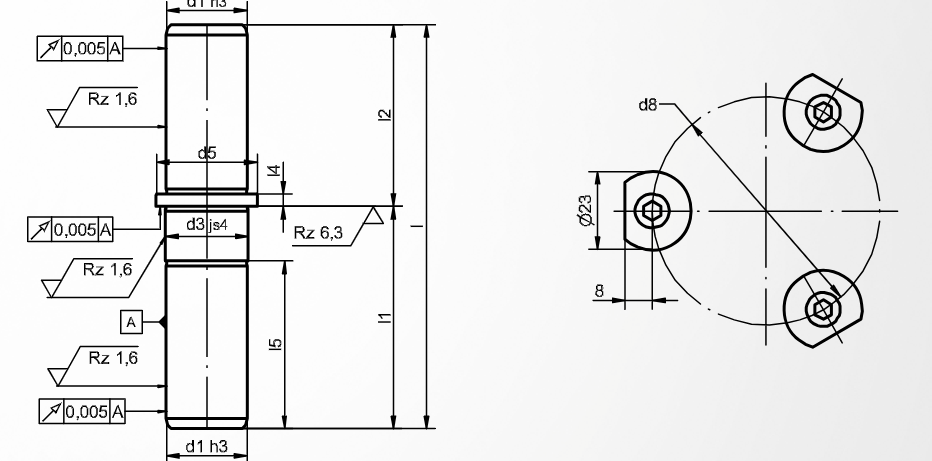
Shoulder with a smaller external diameter, for die sets with little available space.
A shoulder at the fitting end that acts as an axial stop. Unlike the plain pillars (press-fit removal), they are removed by undoing the shoulder screws. Fixed with 3 clamping pieces, bore ISO H6.
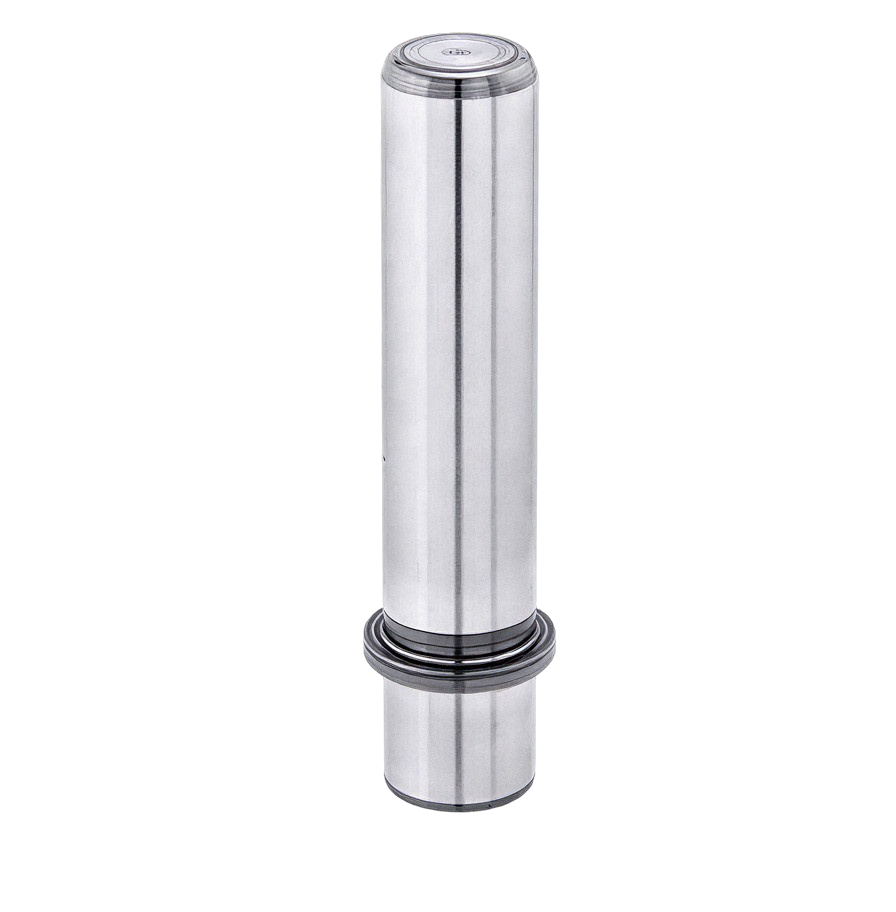
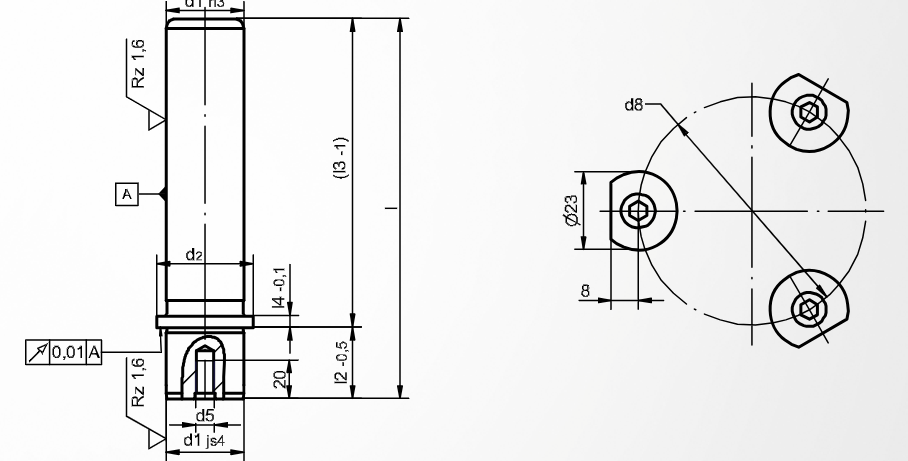
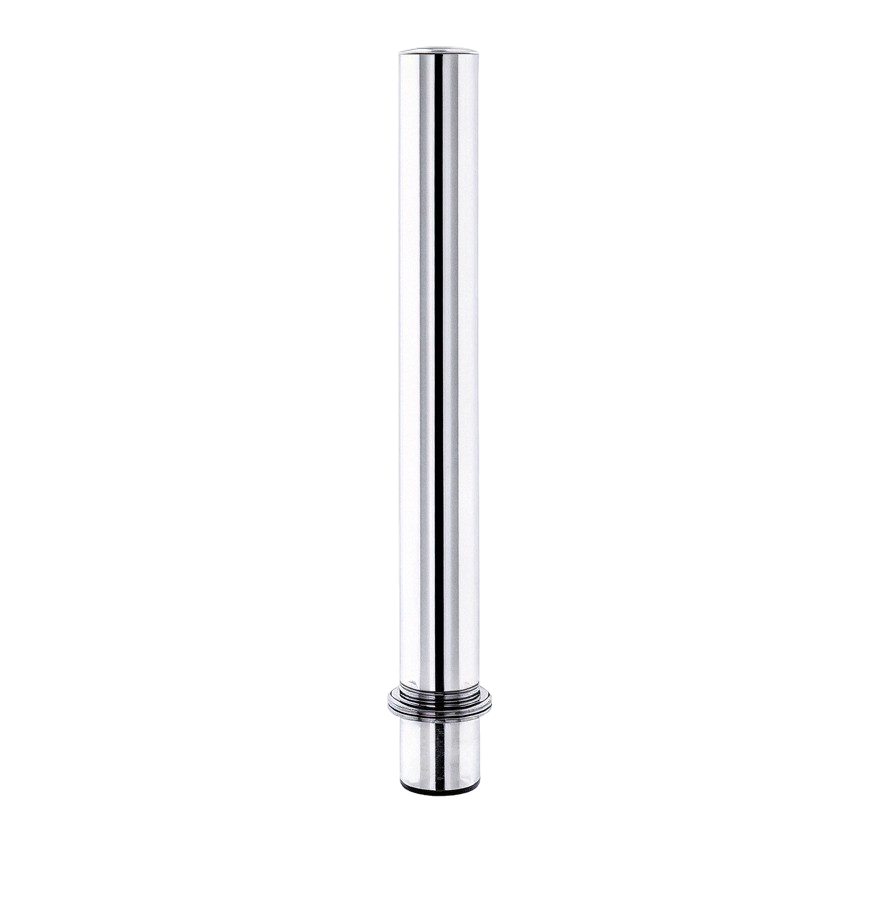
Axial stop that makes mounting and removal without a press easier. Ideal for sharpening and between-run maintenance workflows.
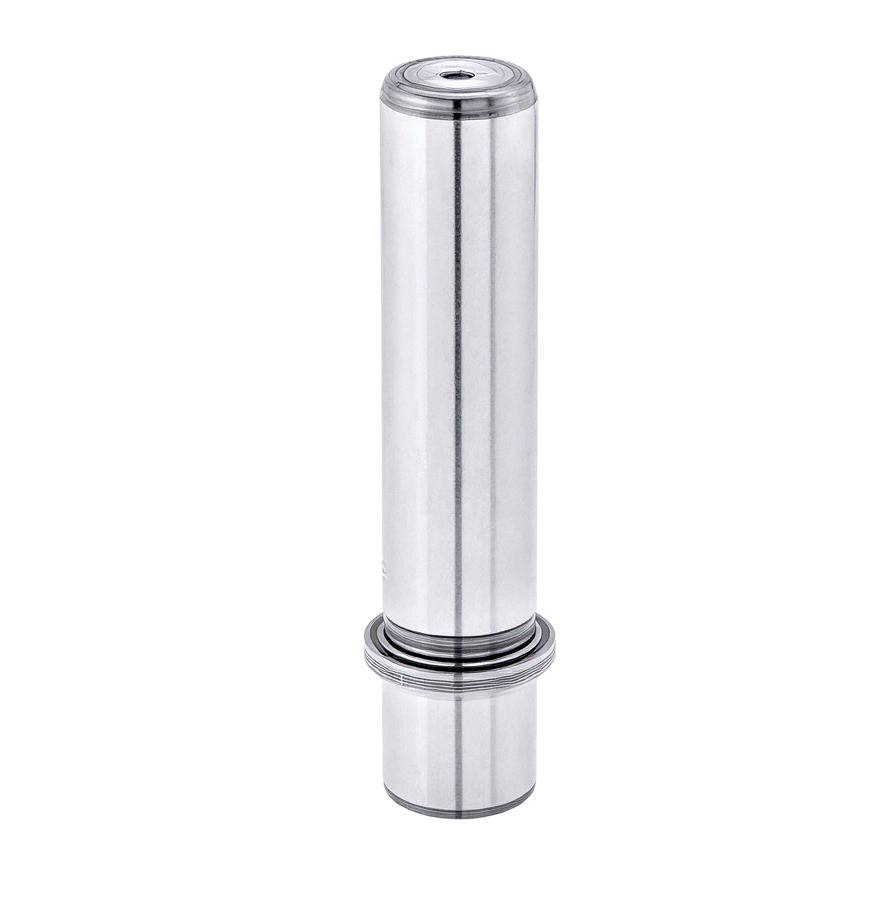
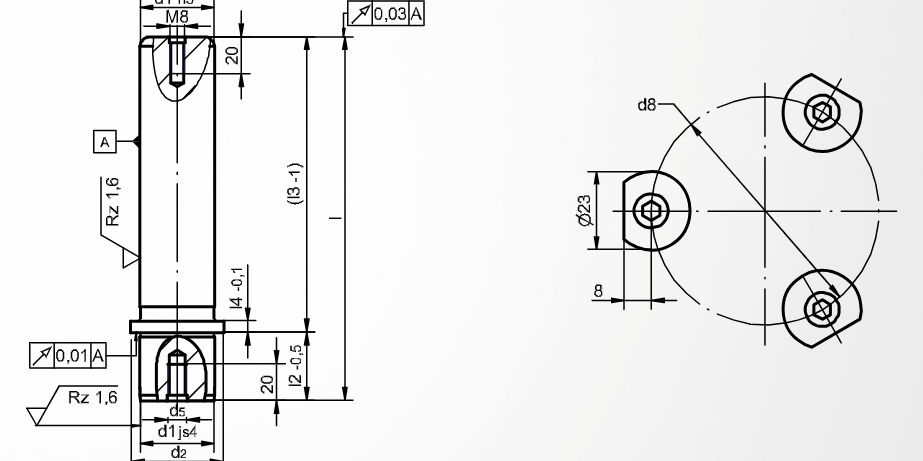
Internal thread at both ends for workflows with periodic removals.
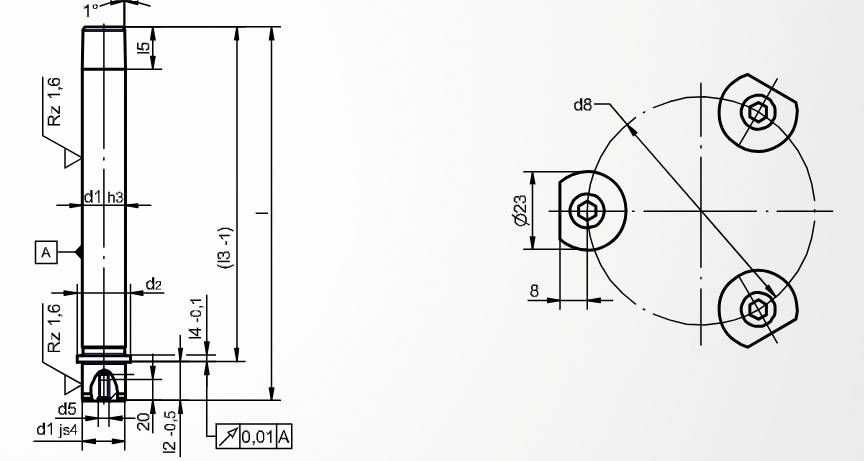
Fine centering to recover alignment with maximum precision when repositioning the tool.
A ground taper mount that is inserted into a pillar-mounting bush (ST7182) and secured with a screw. Extremely fast mounting and removal, always in the same position.
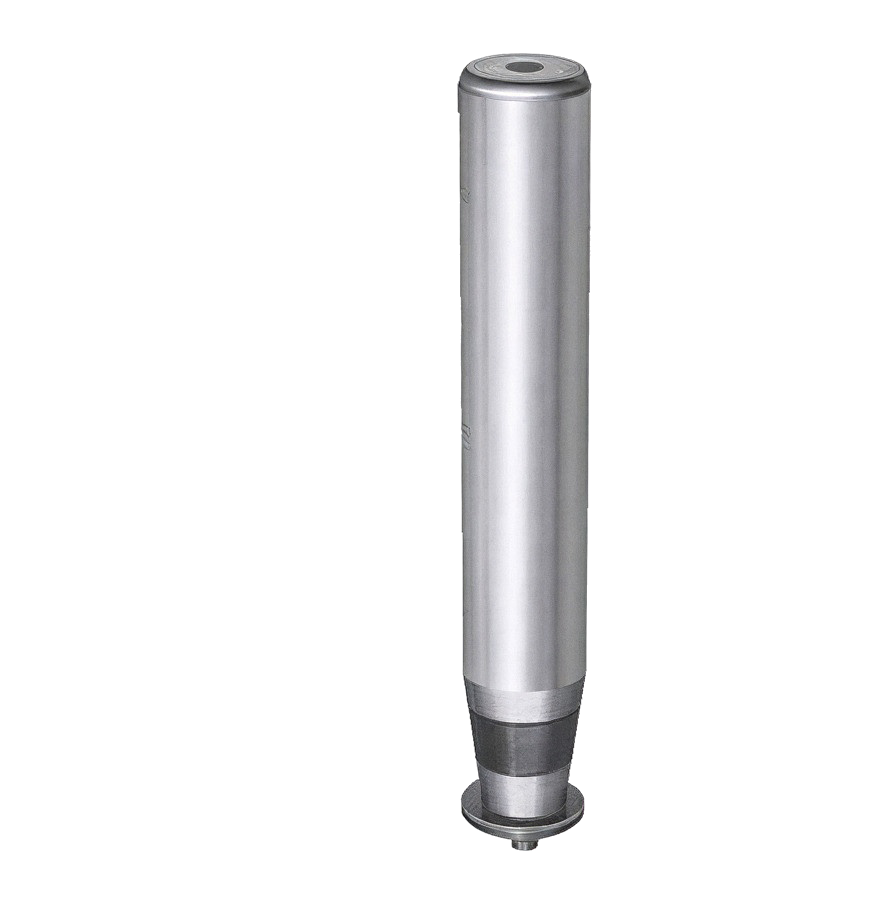
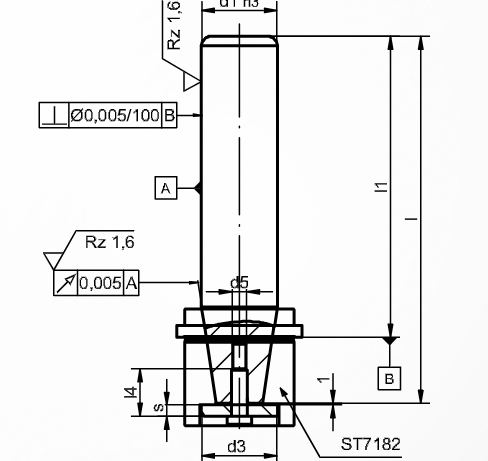
The ground taper ensures the pillar returns to the same position after every change. Ideal for sharpening shops using surface grinders.
An enlargement (head) at the end opposite the guide acting as a stop against pull-out. Optimized for the sliding bush: guide diameter ISO h6, bore ISO N7 / ISO H7.
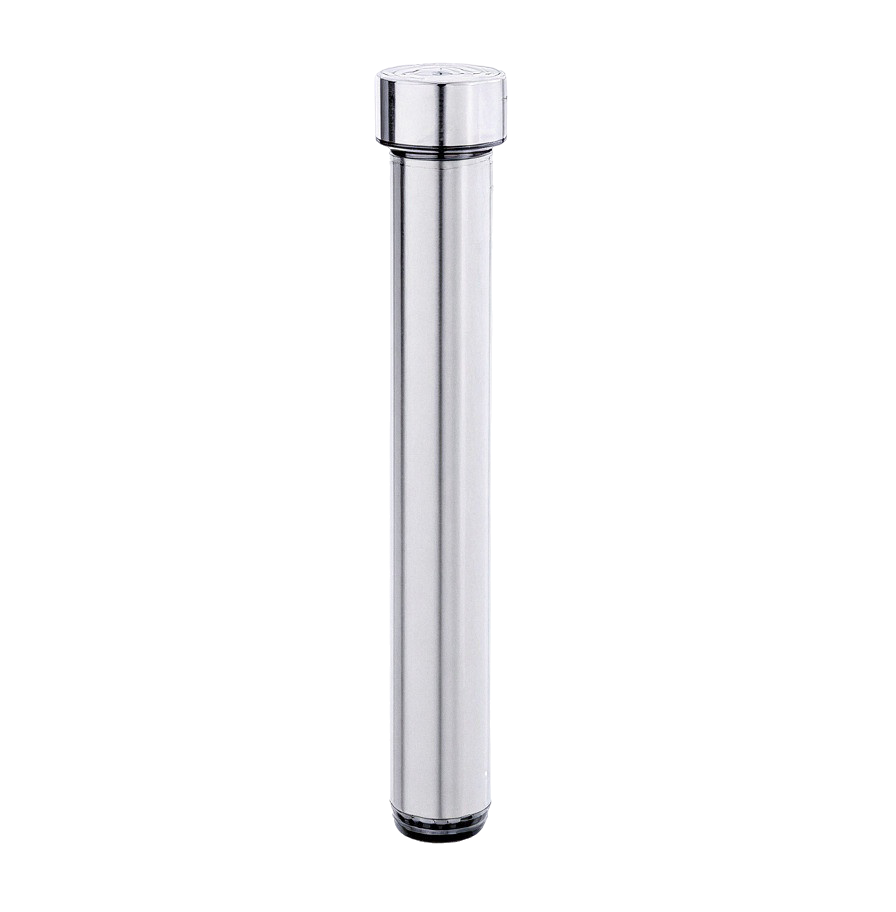
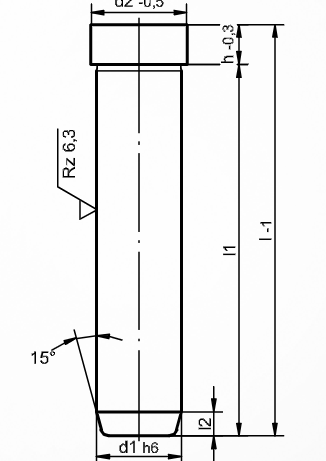
Mechanical stop against pull-out and an enlarged bearing surface on the die shoe.
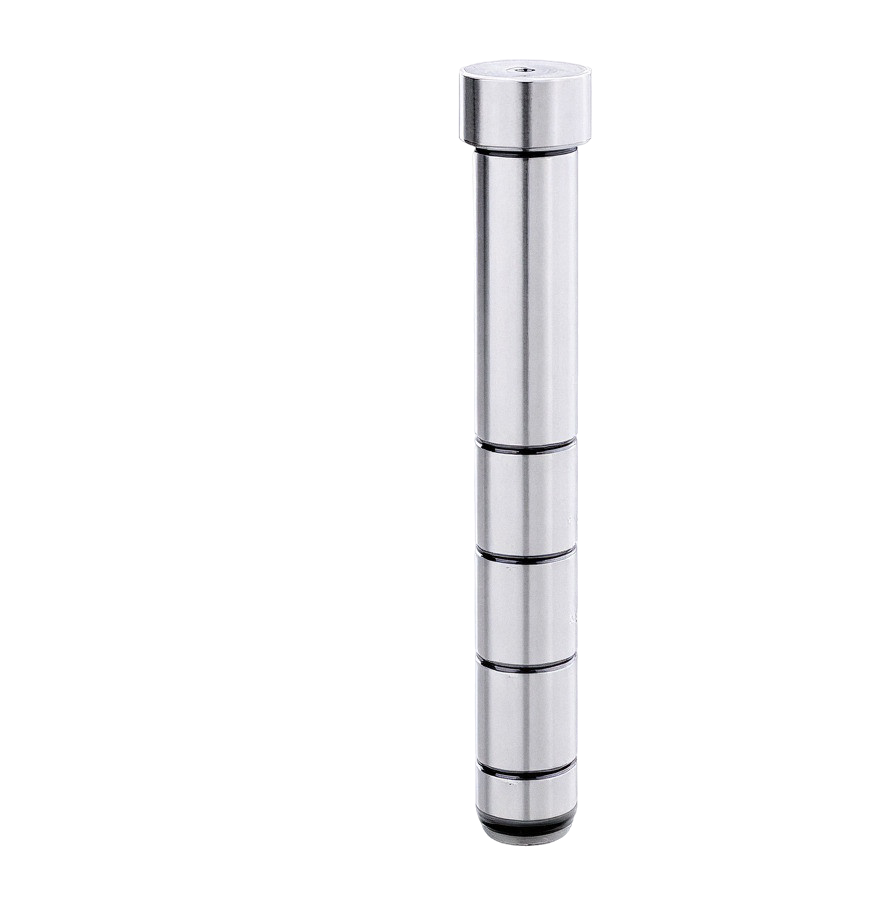
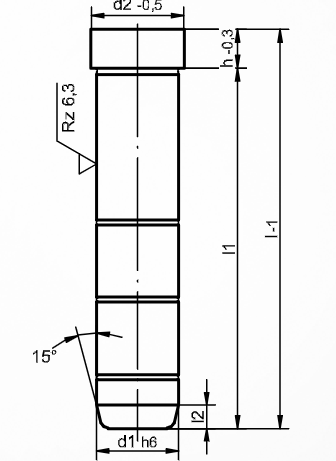
Helical lubrication grooves that distribute the lubricant and extend re-lubrication intervals.
Range for large tools: body-panel dies and high-tonnage presses. Ø 25–160 mm in R10 progression, lengths up to 560 mm. Use for sliding guidance only.
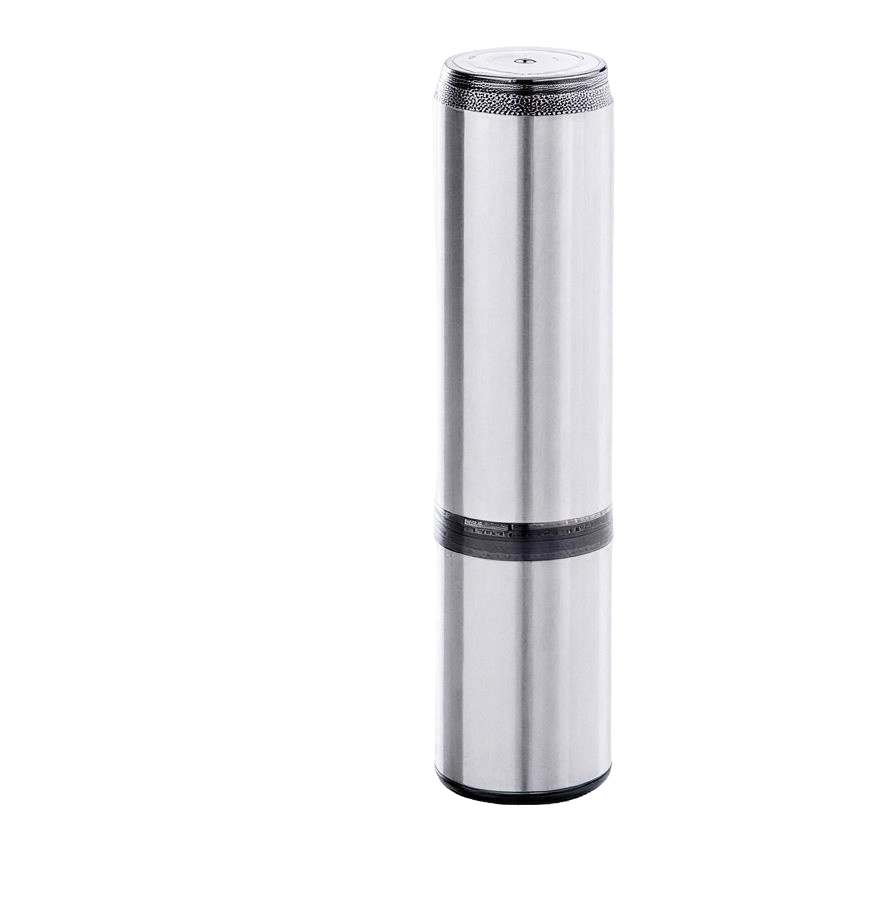
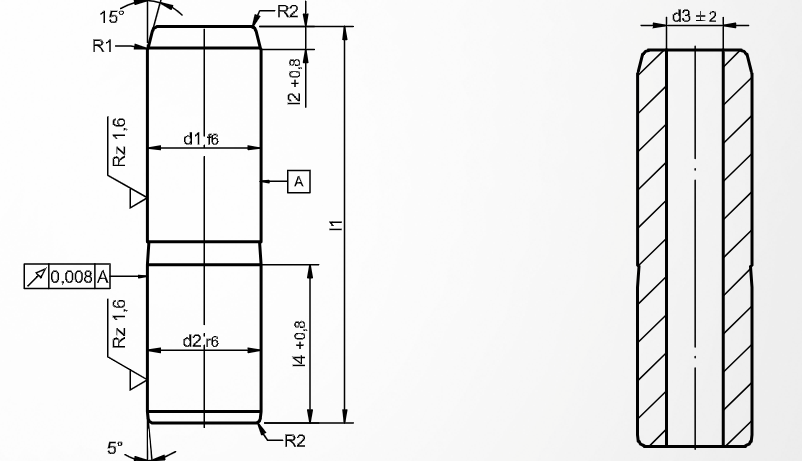
The foundation of the high-tonnage range, for progressive dies in structural sheet and body panels.
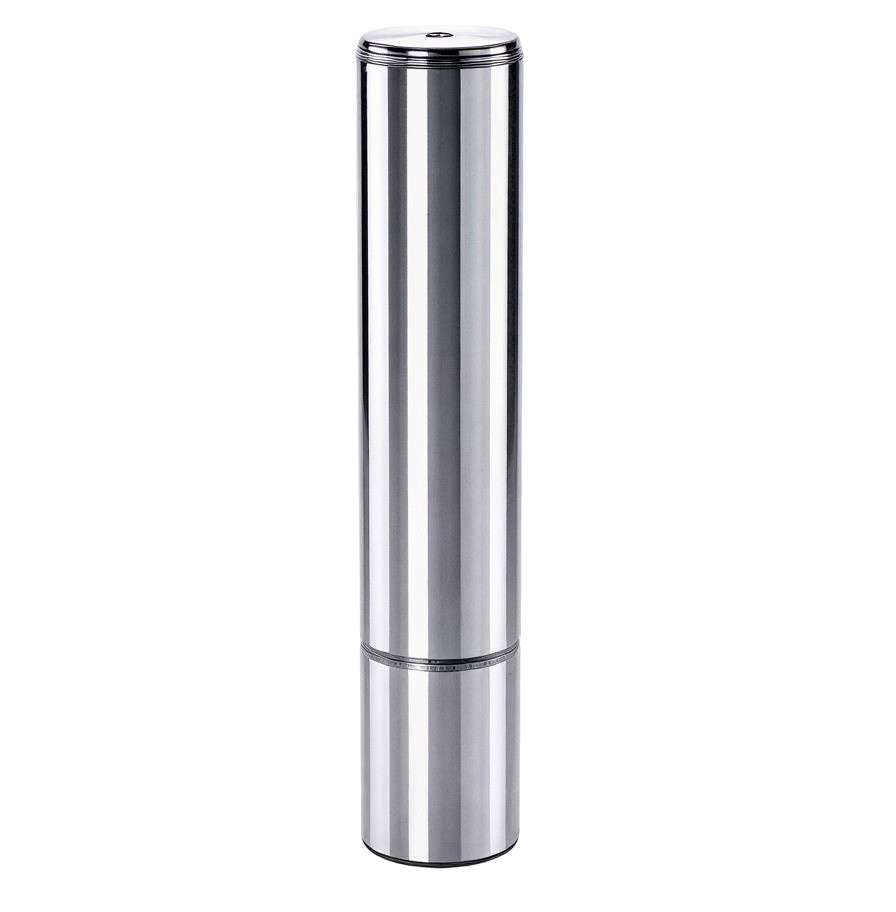
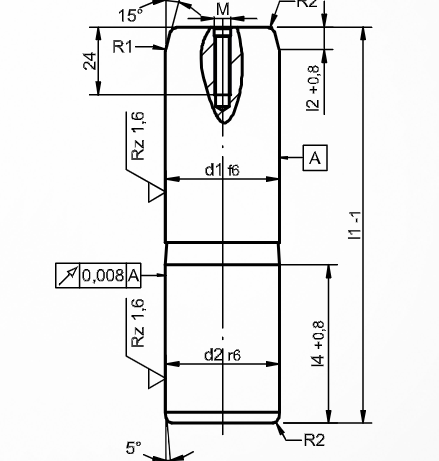
Lifting hole (M12×24 thread) for the safe handling of heavy pillars.
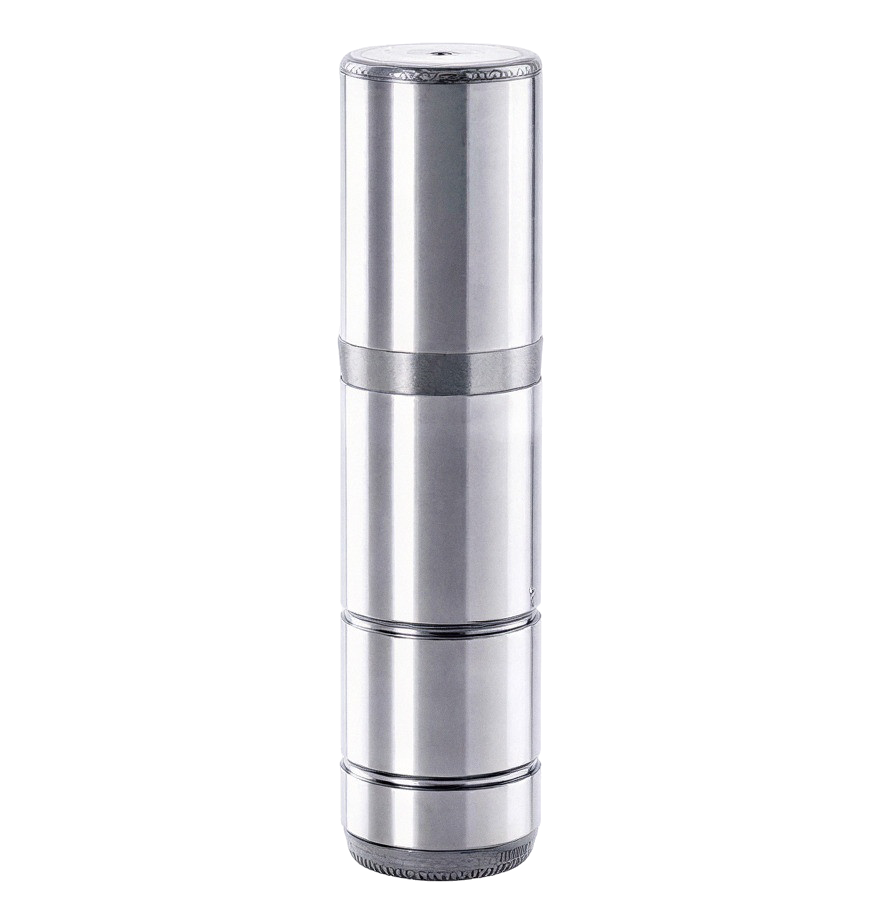
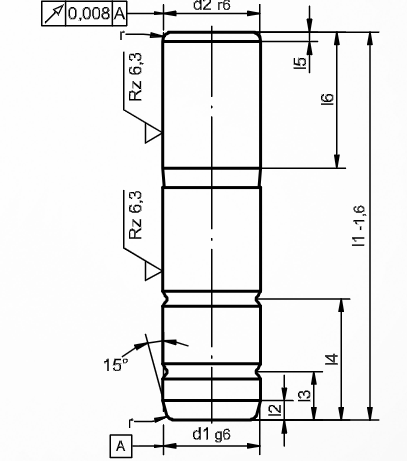
Lubrication grooves to maintain a lubricant film along the entire working zone on long pillars.
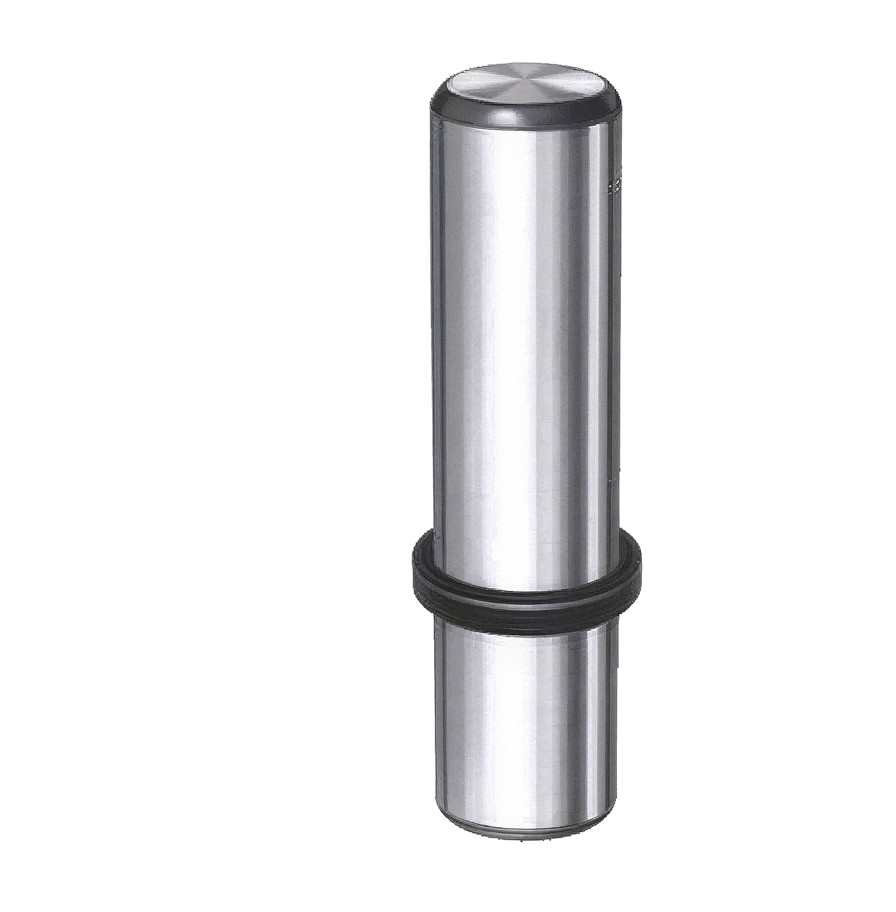
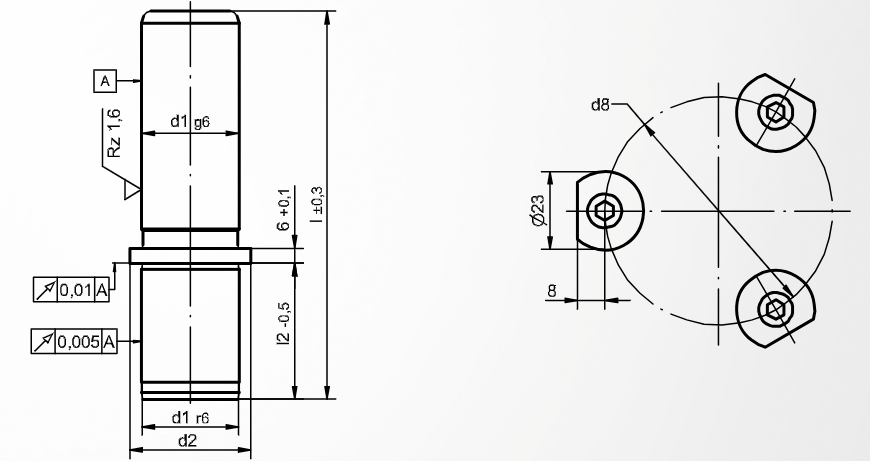
Shoulder for bolted fixing in large die shoes. From Ø 80 with M12×18 thread.
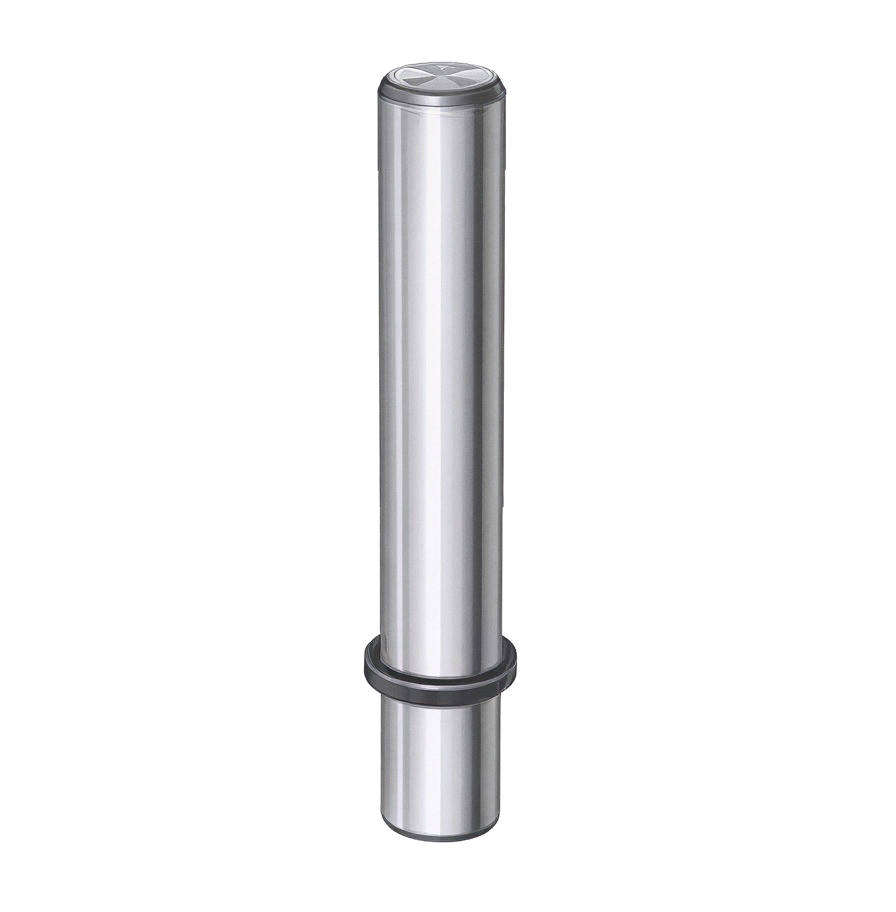
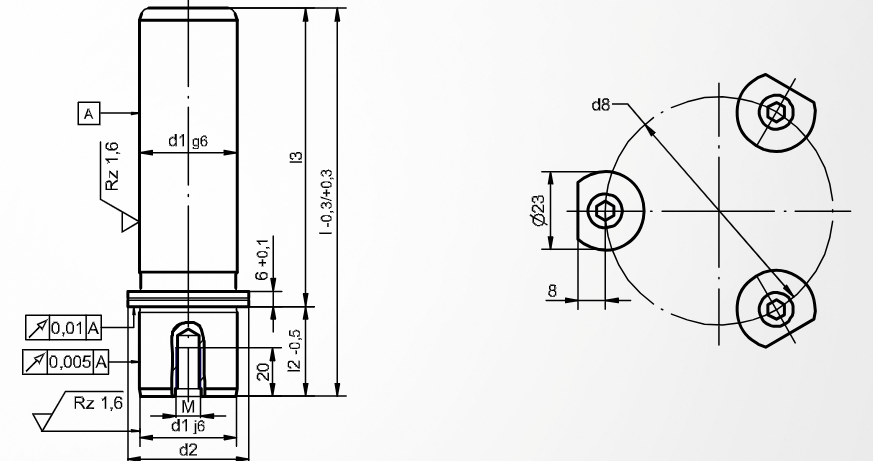
Variant with shoulder and ISO H6 bore within the large stamping dies range.
The miniature line for precision die sets, optics and instrumentation. Case-hardened steel, guide diameter ISO h3, bore ISO P6.
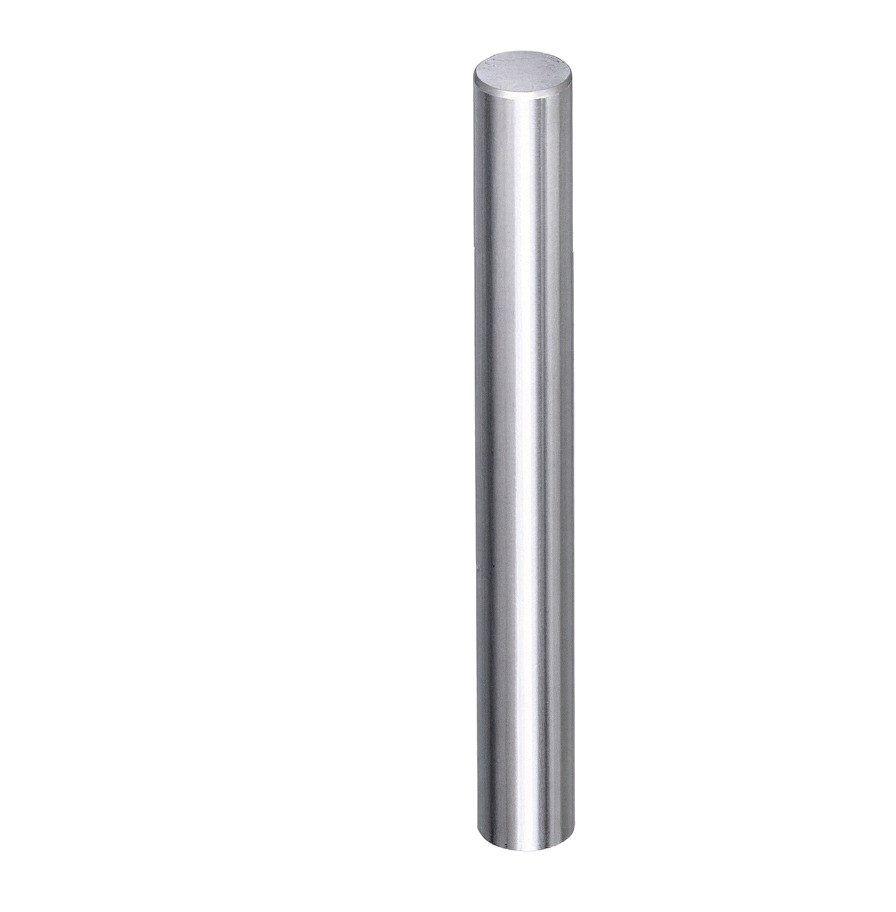
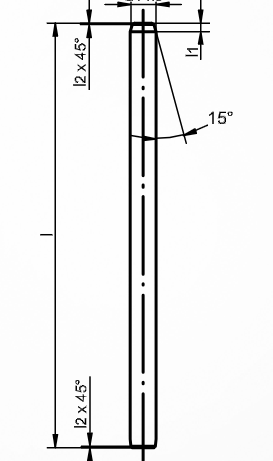
Miniature pillar for optical and electrical measuring instruments. Material for Ø 3–6 mm: steel 1.2379.
| Primary material | Steel 1.1221 (CK60 / C60E / AISI 1060) |
| Alternative material | 1.7131 (16MnCr5) case-hardened — mini series |
| Heat treatment | Induction hardening |
| Surface hardness | 62–64 HRC |
| Guide diameter tolerance | ISO h3 (universal) · h6 / g6 / f6 (sliding) |
| Guide diameter finish | Precision-ground and micro-finished |
Carbon steel with 0.57–0.65 % C, equivalent to AISI 1060. It provides the hardness needed after induction hardening while keeping a tough core, which prevents brittleness under cyclic bending.
It hardens only the rolling zone, leaving the core tough: a hard surface to resist wear, a tough core for impact and cyclic bending.
Our engineers help you choose the geometry, the guide diameter tolerance and the mounting type to suit your die shoe and your application.
Quick selection guide by application. Each recommendation points to one of the seven geometries in the catalog from the previous section.
| Application | Recommended type |
|---|---|
| Standard die set · compatible with balls, rollers and sliding | Plain — ST7100 |
| High lateral loads · intermediate guide plate | Central shoulder — ST7117 |
| Frequent removal without a press · grinder sharpening | With shoulder (ST7120) or quick-change (ST7181) |
| Sliding-bush-only operation · N7/H7 bore | With head — ST7111 / ST7112 |
| Large automotive tools · high tonnage | Large stamping dies — DIN 9833 |
| Miniature die sets · optics · instrumentation | Mini series — ST7190 |
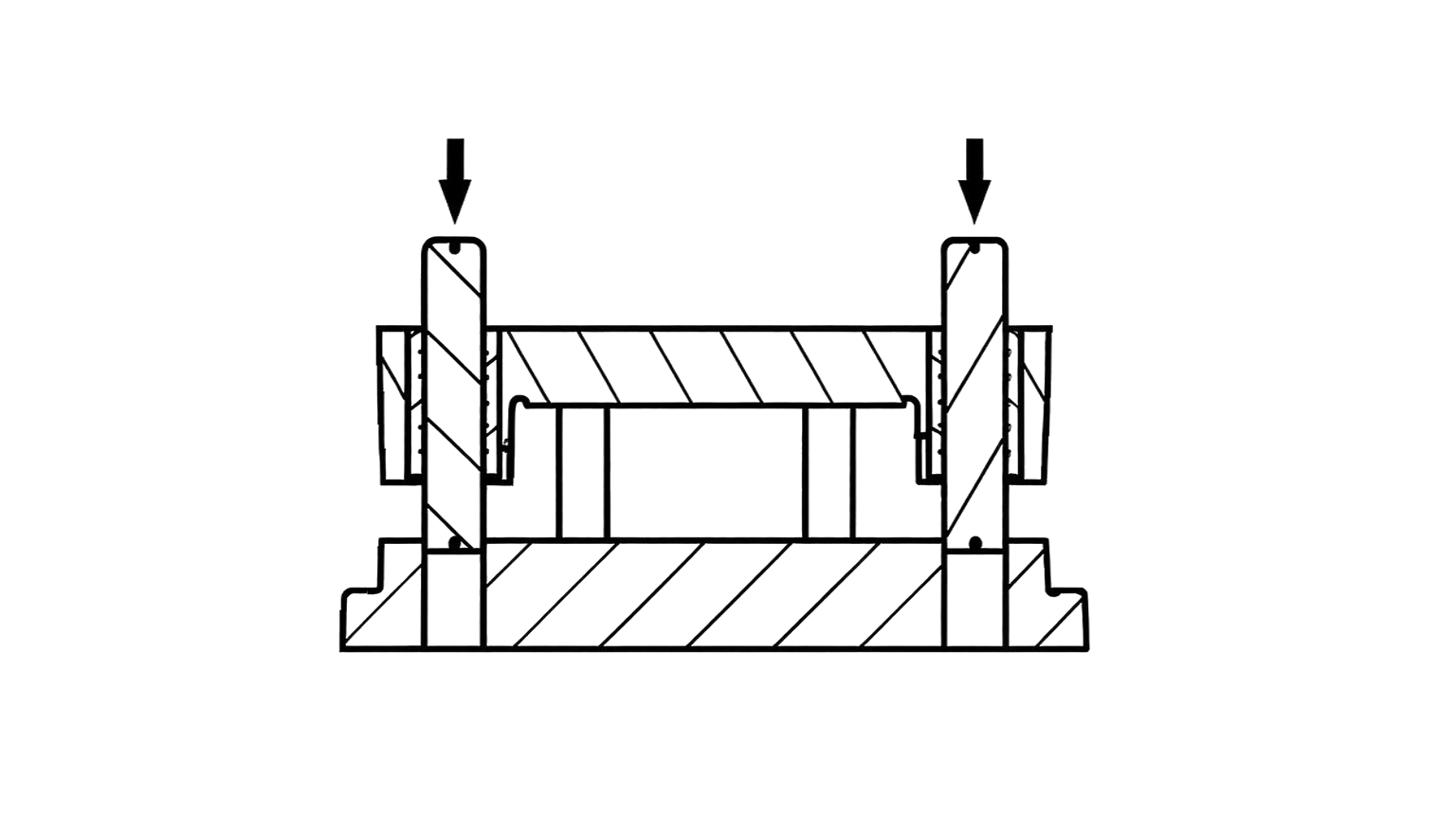
Simultaneous vertical thrust · hydraulic press.
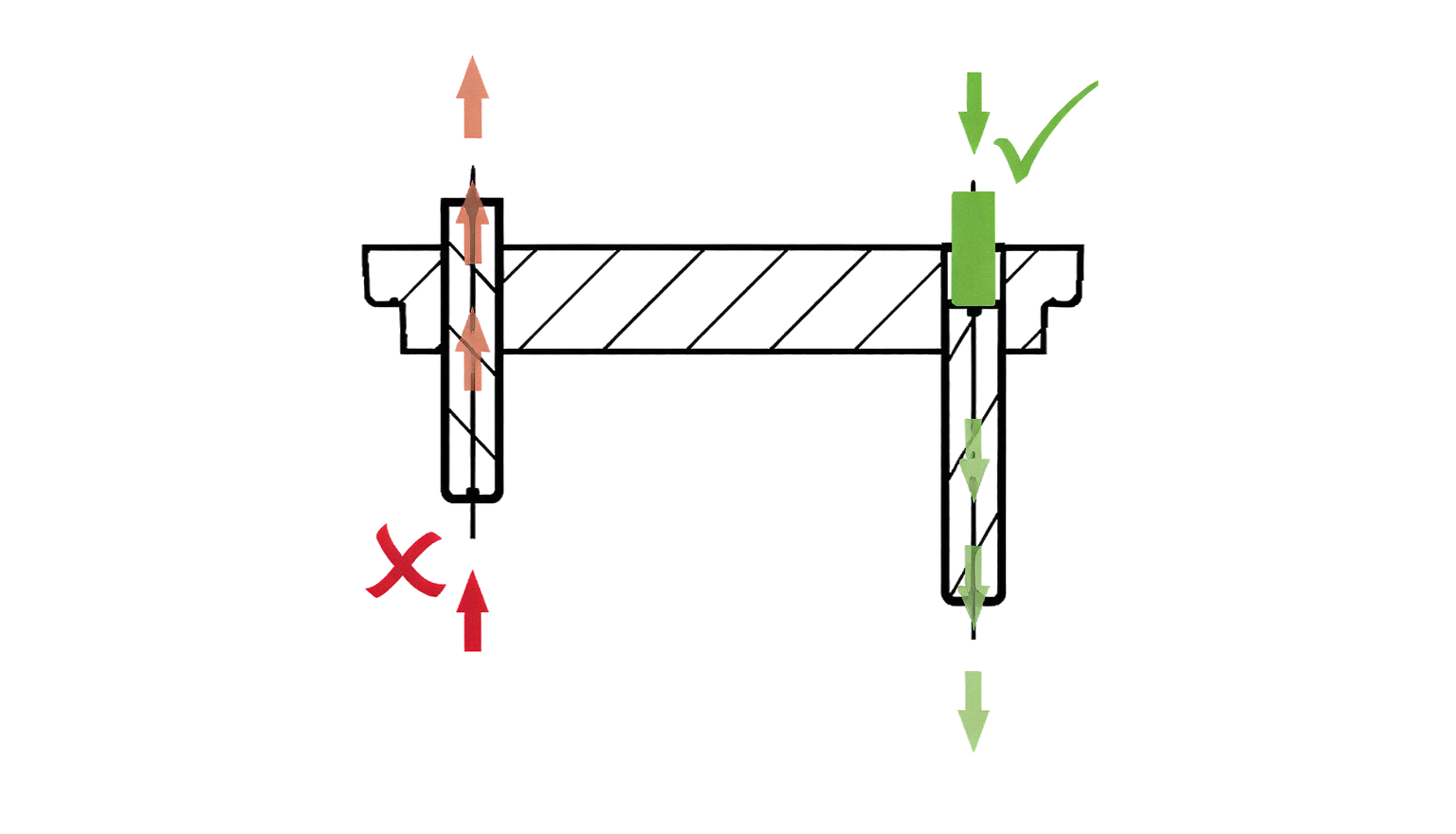
✓ From the non-rolling end · ✗ never through the rolling zone.
Mounting the guide pillar (plain)
The press fit is guaranteed by the combination of an ISO h3 pillar in an ISO R6 bore.
The Steinel catalog provides two curves that relate the geometry of the pillar to its stiffness. If a pillar deflects too much, the two ways to correct it are to shorten the length between supports or increase the diameter.
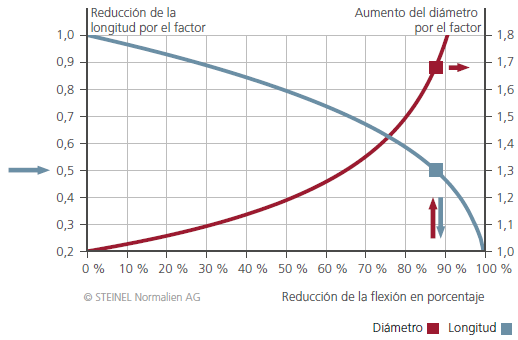
Halve the length → −87.5 %
Increase the diameter × factor 1.68 (e.g. 25 → 42 mm) → −87.5 %
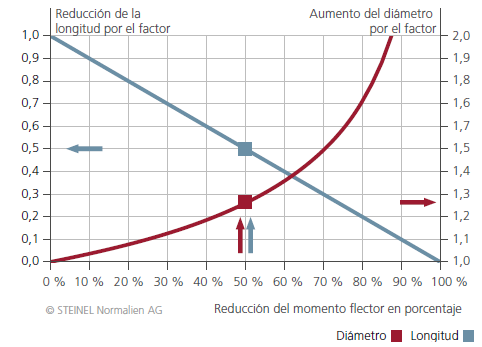
Halve the length (e.g. 300 → 150 mm) → −50 %
Increase the diameter × factor 1.26 (e.g. 19 → 24 mm) → −50 %
Intermediate fixing with a central shoulder is mechanically equivalent to reducing the effective length between supports — hence its large gain in lateral strength.
Progressive dies for structural sheet and body panels; DIN 9833 pillars from 25–160 mm.
Deep drawing and cutting for sheet metal.
Compact DIN 9825 progressive dies for terminals and housings.
Cutting and drawing of cans, lids and containers.
Die sets with quick-change pillars in sharpening shops.
Fine blanking — maximum stiffness of the guidance system.
DIN 9825 / ISO 9182-2 standardizes precision guide pillars for general die sets. DIN 9833 / ISO 9182-3 standardizes pillars for large stamping dies, with diameters from 25 to 160 mm in R10 progression and lengths from 125 to 560 mm in R20 progression — typical of body-panel dies. The DIN 9833 pillars distributed by Surisa work with ISO f6 tolerance (ST9833) or ISO g6 (with shoulder / with grooves), in ISO H7 bores.
The letter (h, g, f) and the number define the position and width of the tolerance range relative to the nominal diameter. h3 is the tightest and the only one compatible with ball and roller cages (where the preload depends on clearances of just a few µm). h6 (with head) and g6 (with shoulder, sliding or industrial) are suitable for the sliding bush. f6 introduces a wider clearance, common in high-tonnage DIN 9833 pillars. Mixing incompatible tolerances alters the preload.
The two ways are geometric: reduce the length between supports or increase the diameter. Halving the length (for example, by fitting an intermediate guide plate) reduces deflection by 87.5 %. Increasing the diameter by a factor of 1.68 (e.g. from 25 to 42 mm) produces the same effect. To halve the bending moment: halve the length or increase the diameter by a factor of 1.26 (e.g. from 19 to 24 mm). Intermediate fixing with a central shoulder is mechanically equivalent to shortening the pillar between supports.
The rolling surface is the zone induction-hardened to 62–64 HRC, precision-ground and micro-finished to h3 tolerance. Any mark, deformation or scratch introduced during removal alters the clearance with the bush or the preload with the cage, degrades guidance precision and accelerates wear of both pillar and bush. The extraction force must always be applied from the non-rolling end — the one seated in the die shoe.
Yes, if they share the same standardized taper and are mounted in the same pillar-mounting bush (ST7182). Steinel machines the ground tapers to very tight tolerances to ensure the pillar returns to the same position after every mounting. It pays off when the die is removed very frequently — for example, shops that sharpen blades on a surface grinder between runs. For fixed die sets, the plain or shouldered pillar is more economical.
We distribute the complete Steinel Normalien range in Spain. We advise on geometry, tolerances, pillar-bush combinations and delivery times.