


Temperature control in the food industry
TL;DR: In the food industry, temperature is the main control point for food safety: cold to preserve (chilled below 2–7 °C depending on the product, frozen at −18 °C) and heat to sanitize (pasteurization, sterilization, cooking). Surisa stocks adhesive indicators for that entire range: from −18 °C in frozen food to 260 °C in bakery ovens.
Regulation (EC) 852/2004 requires food businesses to apply a food safety system based on HACCP principles (Hazard Analysis and Critical Control Points). In almost every HACCP plan, temperature is a critical control point: its limits must be set, it must be monitored and deviations must be recorded.
In international technical terminology, this is referred to as food safety temperature control and HACCP temperature monitoring.
Buy online
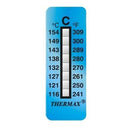
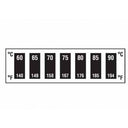
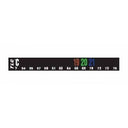
Applications in the food industry
- Food cold chain and storage: temperatures for chilled and frozen food, transport and cold rooms.
- Bread baking temperature and oven control: baking stages, oven temperature and how to verify it.
View all temperature indicators →
Key temperatures in food safety
| Process or situation | Reference temperature |
|---|---|
| Frozen food | −18 °C or below |
| Ground meat / offal / poultry / fresh meat from ungulates | Maximum 2 °C / 3 °C / 4 °C / 7 °C |
| Danger zone (rapid bacterial growth) | Approximately between 5 and 60 °C |
| Milk pasteurization (HTST method) | 72 °C for 15 seconds |
| Sterilization of canned food | Usually between 115 and 125 °C |
| Bread baking (oven) | 170–250 °C depending on the type of dough |
The meat limits come from Regulation (EC) 853/2004. For each product, its label or the company's HACCP plan prevails.
Sterilization of canned and packaged food
Canned food is sterilized in industrial autoclaves, also called retorts, with steam or superheated water at temperatures usually between 115 and 125 °C. The aim is commercial sterility: eliminating the microorganisms capable of growing in the sealed container, especially Clostridium botulinum spores.
What is critical is that the center of the container reaches the temperature for the necessary time, and not just the autoclave chamber. An irreversible label stuck to the container or the basket confirms the maximum temperature reached at that point. We explain steam cycles in autoclave sterilization temperature and time.
Pasteurization works at lower temperatures (72 °C for 15 seconds in the HTST method for milk, or 63 °C for 30 minutes in the slow method). It eliminates pathogenic microorganisms, but not spores, so pasteurized products need refrigeration and have a shorter shelf life.
Meat: storage and the cold chain
Meat is one of the most temperature-demanding products. Regulation (EC) 853/2004 sets the maximums: 7 °C for fresh beef, pork or lamb, 4 °C for poultry and meat preparations, 3 °C for offal and 2 °C for ground meat.
In cold rooms and display cabinets it is advisable to combine a daily reading with an adhesive LCD thermometer and a time and temperature indicator that records whether the product spent time above its limit. For meat that has already been thawed, a temperature drop indicator warns if it fell below 0 °C again. More detail in food cold chain and storage.
Wine: storage temperature
Wine keeps best at a stable temperature, around 10–15 °C, away from light and with moderate humidity. More than the exact value, what damages wine is temperature swings: that is why it is not kept in kitchens or in areas with abrupt changes.
An adhesive LCD thermometer stuck in the cellar, the wine fridge or the wine rack makes it possible to check at a glance that the temperature stays in range. The horizontal thermometer with 13 levels and a 12–24 °C range covers the upper part of that range and warns if the cellar is warming up.
Beer: brewing temperatures
In brewing, each stage has its temperature:
- Mashing: approximately between 62 and 72 °C, depending on the style of beer and the sugars being sought.
- End of mashing (mash-out): around 76–78 °C.
- Fermentation: approximately between 15 and 22 °C for ales and between 7 and 13 °C for lagers.
Adhesive LCD thermometers are stuck to the tank or the fermenter and allow the temperature to be read without opening it: the 7-level one with a 60–90 °C range for mashing, and the 11-level one with a 0–50 °C range for fermentation.
Hygiene: industrial dishwashers
In hospitality and catering, the industrial dishwasher must reach rinse temperatures high enough to sanitize the dishware. The TDI label, with points at 65, 71 and 82 °C, is stuck to a plate or tray and shows the temperature it reached during the cycle.
View labels for industrial dishwashers →
Frequently asked questions about temperature in the food industry
What is the temperature danger zone for food?
It is the approximate range between 5 and 60 °C, in which bacteria multiply fastest. Perishable food should spend as little time as possible in that range: it is kept below it (chilled or frozen) or above it (in hot holding).
Is temperature control mandatory in a food business?
Yes. Regulation (EC) 852/2004 requires the cold chain not to be interrupted and a food safety system based on HACCP to be applied. In practice, the temperature of storage, transport and processing appears as a critical control point in most plans.
At what temperature is canned food sterilized?
Usually between 115 and 125 °C in an autoclave or retort, for the time needed for the center of the container to reach commercial sterility. The time depends on the product, the size of the container and the type of autoclave.
What is the difference between pasteurizing and sterilizing food?
Pasteurization (for example, 72 °C for 15 seconds for milk) eliminates pathogenic microorganisms, but not spores, so the product needs refrigeration. Sterilization (usually above 115 °C) also eliminates spores and allows the product to be kept at room temperature.
At what temperature is wine stored?
At a stable temperature, around 10–15 °C. Temperature swings damage wine more than a value slightly outside that range, so it is worth monitoring the cellar with a thermometer.
Recommended products
Temperature indicators selected for this application. Buy the reference you need online.
-
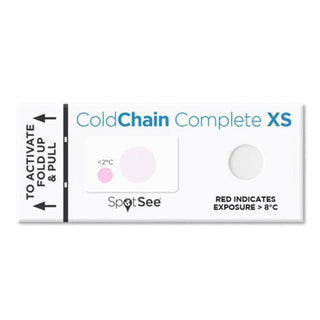 Coldchain XS
- Accuracy
- ±1 ºC
- References
- 1 (single)
-
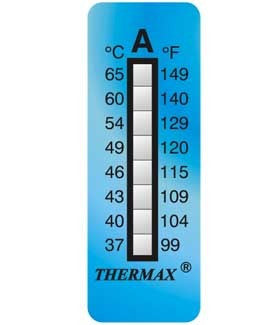 8 levels
- Size
- 51 x 18 mm
- Accuracy
- ±1 ºC (<100 ºC) · ±1 % (>100 ºC)
- References
- 5
-
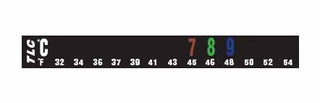 13 levels horizontal
- Size
- 15 x 132 mm
- Accuracy
- ±1 ºC
- References
- 2
-
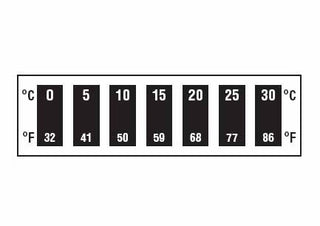 7 levels
- Size
- 12,5 x 45 mm
- Accuracy
- ±1 ºC
- References
- 3
-
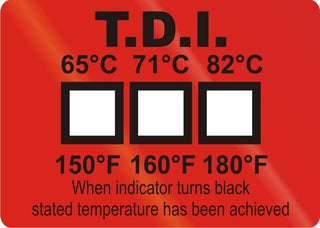 TDI lavavajillas
- Size
- 25 x 35 mm
- Accuracy
- ±1 ºC
- References
- 3
Shall we talk about your project?
Tell us about your use case and our engineering team will advise you on choosing the best solution.